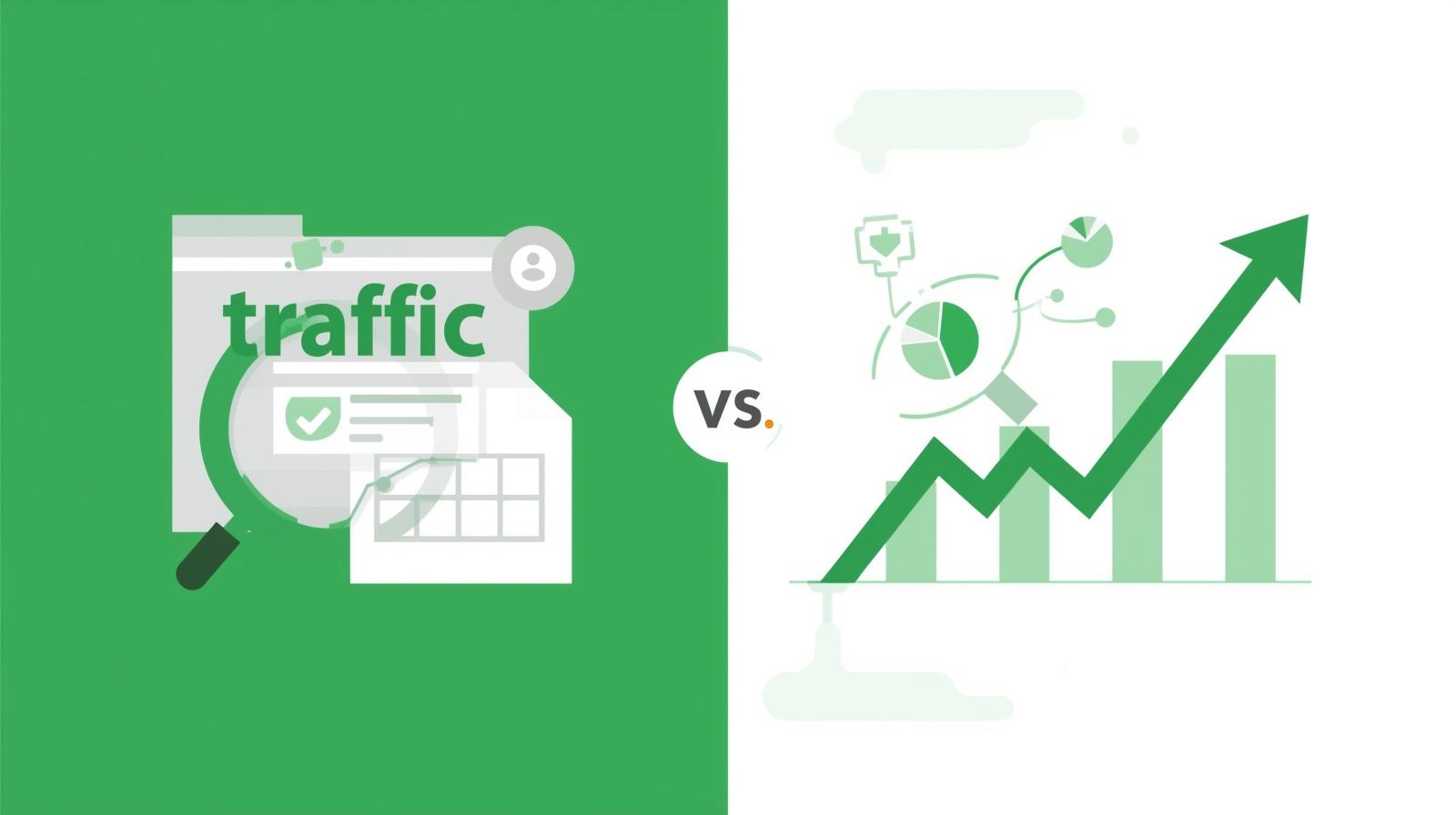
In the ever-evolving landscape of digital marketing, two terms often find themselves at the forefront of discussions: traffic and ROI (Return on Investment) positive search results. Marketers sometimes conflate the two, viewing an influx of visitors as a hallmark of success. However, understanding the nuance between sheer traffic numbers and meaningful, ROI-positive engagement is crucial for sustainable growth in any business.
The Lure of Traffic
It’s easy to get enamoured with traffic metrics. After all, who wouldn’t want to see their website statistics soar? Higher traffic levels can indicate a successful marketing strategy, brand awareness, and even improved search engine rankings. But quantity does not always equate to quality. High traffic numbers can be misleading. They may provide a sense of accomplishment, but if those visitors aren’t converting into paying customers, the benefits fall short.
This phenomenon often occurs with poorly targeted traffic. For instance, a blog post that attracts thousands of visitors but fails to engage or convert them may lead to inflated numbers with little to no impact on revenue. It’s essential to focus on the type of traffic and the user intent behind it.
The Meaning of ROI-Positive Search Results
ROI-positive search results, on the other hand, delve deeper than surface-level analytics. They measure the effectiveness of a specific marketing campaign in generating tangible outcomes, such as sales or leads, relative to the investment made. This involves several metrics, including:
• Conversion rate: The percentage of visitors who take a desired action, such as making a purchase or signing up for a newsletter.
• Customer acquisition cost: The total cost of acquiring a new customer through marketing efforts compared to the revenue generated from that customer.
• Lifetime value of a customer: This reflects the total revenue a business can expect from a single customer throughout their relationship with the brand.
To understand how businesses can align their marketing strategies to focus on ROI-positive outcomes, it is valuable to consider how they deliver ROI-positive search results. Only by prioritising efficiency and effectiveness can brands ensure that their traffic translates into committed customers.
Aligning Traffic with Business Goals
The key to unlocking ROI-positive results lies in aligning traffic with your business’s specific objectives. Here are crucial steps to ensure that you’re driving the right visitors to your site:
1. Define Your Target Audience
Understanding your target audience is foundational. Create detailed personas that capture demographic information, interests, and pain points. This specificity will guide your content creation and marketing strategies.
2. Optimise Content for User Intent
Content should resonate with your audience’s needs. Use keyword research tools to uncover what your potential customers are searching for, then tailor your content to address those queries effectively.
• Informational Search Intent: Users are looking for answers to specific questions. Create detailed, helpful content that meets their needs.
• Navigational Intent: Users know your brand and are searching for your site. Ensure your website is easily accessible and provides a seamless user experience.
• Transactional Intent: Users are ready to buy. Ensure that your product pages are optimised for conversion, featuring clear calls to action.
3. Implementing Effective SEO Strategies
Search engine optimisation is fundamental in driving targeted traffic. Focus on both on-page and off-page factors:
• On-Page SEO: Include relevant keywords, optimised meta tags, and internal linking within your site. Craft compelling headlines that grab attention and boost click-through rates.
• Off-Page SEO: Invest time in building authoritative backlinks to improve your domain’s credibility and rankings. Quality over quantity should be your mantra here.
4. Monitor and Adjust Strategies
What gets measured gets managed. Regularly analyse your website’s analytics to assess which sources of traffic are converting into sales. Tools like Google Analytics can help you gauge user behaviour, allowing you to pivot your strategies based on real-time data.
Creating a Feedback Loop
Once you have your traffic alignment figured out, it’s vital to create a feedback loop for continuous improvement. Consider setting up A/B tests to discover which elements of your campaigns are most effective. Whether it’s adjusting your headlines, changing your call-to-action buttons, or refining your audience targeting, continuous testing can help clarify what leads to conversions.
Measuring Success Beyond Traffic
Approaching metrics with a broad view can shed light on opportunities for growth. While traffic is undoubtedly significant, focusing on conversions and ROI will yield better long-term sustained growth.
• Investigate the sources of your high-converting traffic, whether organic, paid, or social. This will guide your future marketing endeavours.
• Consider customer relationship management (CRM) systems that link your marketing efforts directly to sales data, making it easier to track ROI.
Conclusion
At the end of the day, the distinction between traffic and ROI-positive search results is stark but crucial. It’s not enough to attract vast numbers of visitors; the real success lies in nurturing those visits into meaningful engagements, ultimately leading to profitability.
When crafted with intention and clarity, digital marketing strategies can transform mere statistics into real business outcomes. Instead of simply chasing numbers, focus on creating a pathway for your audience to convert, fostering a relationship built on trust and mutual benefit. As your understanding deepens, so too will your ability to generate not just traffic, but valuable, ROI-positive results.