Managing a team is not easy, tracking their performance even more so. Without knowing what is going on with your employees, it becomes hard to track their progress. Even if tasks are completed, they may have uneven quality or missed opportunities. The result? Productivity may stagnate, and organizational goals risk being delayed.
This is why tracking employee performance becomes important. Tracking performance is not about micromanaging or counting hours. It is about understanding your team’s contributions, providing clear guidance, and helping employees reach their full potential.
Tracking performance doesn’t have to be complicated. With clear strategies, managers can ensure their teams are productive, engaged, and aligned with company objectives, whether they work in-office, remotely, or in a hybrid setting.lls.
What Is Employee Performance Tracking?
Performance tracking means watching how your workers handle their jobs. It’s more than counting hours or tasks.
You’re looking at quality, speed, attitude, and results. Does someone finish projects on time? Do they help teammates? Are customers happy? Good tracking answers these questions. It gives you facts instead of guesses about your team.
Importance of Employee Performance Tracking
Tracking performance is more than a managerial task; it directly impacts productivity, employee engagement, and business outcomes.
- Connects Daily Work to Big Goals: When you track performance, workers see how their job fits the company’s vision. A customer service rep understands that quick responses boost client retention. This connection matters. People care more when they know their work counts.
- Spots Problems Early: Regular checks reveal issues before they explode. Maybe someone’s struggling with new software, or a team lacks proper tools. Catching these early saves time and frustration. You fix small problems instead of big disasters.
- Builds Accountability: People work harder when someone’s paying attention. Not in a scary way, in a supportive way. Tracking shows workers you care about their growth. It also reveals who’s ready for bigger responsibilities.
How to Track Employee Performance Effectively
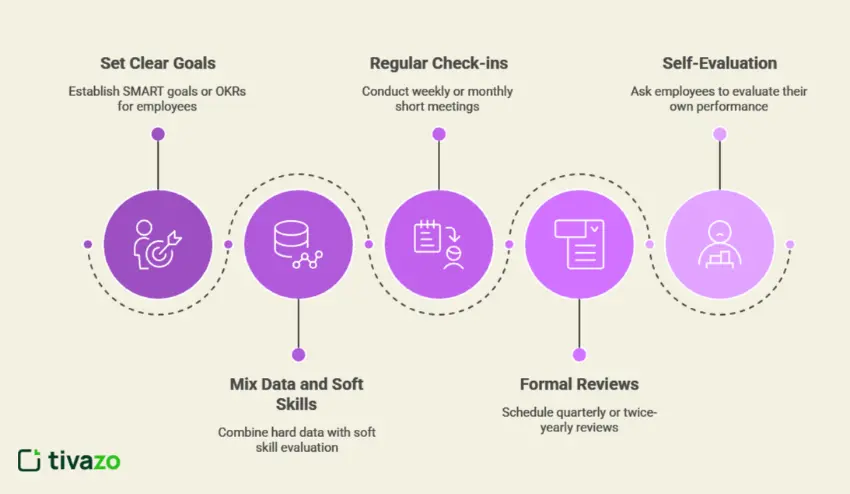
Effective tracking starts with the right foundation and systems. You need clear expectations, regular conversations, and tools that actually work. The best approach combines formal reviews with casual check-ins. Below are proven methods that improve employee productivity without creating extra work.
1. Set Clear, Measurable Goals
Vague goals lead nowhere. “Do better” doesn’t help anyone improve.
Instead, use SMART goals: Specific, Measurable, Achievable, Relevant, and Time-bound. Tell your sales rep, “Close 12 new accounts by June 30.”
OKRs work too. Pick a big objective, then list 3-5 key results that prove you hit it.
Example for marketing team:
- Objective: Grow brand awareness
- Key Result 1: Get 50,000 new social followers
- Key Result 2: Earn 100 media mentions
- Key Result 3: Reach 200,000 website visits monthly
Clear targets eliminate confusion. Everyone knows what success looks like.
2. Mix Numbers with Human Factors
Don’t judge people by spreadsheets alone. Numbers tell part of the story, not all of it.
Track hard data like:
- Revenue or sales closed
- Tasks completed weekly
- Customer complaints resolved
- Deadline success rate
Also consider soft skills:
- How well they work with others
- Communication clarity
- Creative problem-solving
- Willingness to learn
A complete employee evaluation includes both sides. You need the full picture.
3. Talk Regularly, Not Just Once a Year
Annual reviews feel like ambushes. Issues pile up, and nobody remembers what happened in March.
Meet weekly or monthly instead. Fifteen minutes go a long way.
These quick chats help you:
- Fix small issues fast
- Answer questions right away
- Keep goals updated
- Show you’re available
Make it a two-way conversation. Ask what’s blocking them and actually listen to the answer.
4. Run Formal Reviews Too
Short check-ins are great, but deeper reviews matter. Schedule these quarterly or twice yearly.
Get input from multiple people. Peers, clients, and direct reports all see different angles.
Cover these topics:
- What went well this period
- Where improvement’s needed
- Skills they’ve learned
- Next period’s priorities
- Career growth opportunities
Document everything. Written records protect both you and your employee.
5. Ask Workers to Evaluate Themselves
Self-reviews reveal a lot. People often know their weak spots better than you do.
They might admit, “I rushed that project” or “I need help with Excel.” That honesty opens doors.
Compare their self-assessment with yours. Big gaps show where expectations don’t match.
Best Tools for Monitoring Employee Productivity
The right software makes performance management much easier. Modern tools automate tracking and free up your time for actual coaching. Choose platforms that match your team’s size and work style. Most offer trial periods, so test a few before committing to one.
Tool Comparison Chart
| Tool | Works Best For | Main Features | Monthly Cost |
| Tivazo | Complete performance management | Goals, feedback, reviews, reports | Contact for pricing |
| Clockify | Time tracking and project monitoring | Time sheets, billable hours, project tracking | Free to $9.99 per person |
| Timely | Automatic time tracking | AI-powered tracking, memory timeline, and scheduling | $8-$22 per person |
| Insightful | Workforce analytics | Activity monitoring, productivity analysis, reports | $6.40-$12 per person |
| Hubstaff | Remote team monitoring | Screenshots, activity levels, and GPS tracking | $5.83-$12 per person |
Picking the Right System
Match the tool to your team size. A 10-person startup doesn’t need enterprise software.
Look for these must-haves:
- Simple goal creation
- Easy feedback collection
- Dashboard showing team stats
- Works with your current HR tools
- Mobile access for remote workers
Most vendors offer free trials. Test drive a few options before buying.
Common Mistakes in Tracking Performance
Many managers focus only on numbers and miss the human element. Others collect mountains of data but never use it to improve anything. Inconsistent tracking creates unfairness across teams. The biggest mistake is making employee monitoring feel like punishment instead of support.
Caring Only About Output
Counting widgets ignores quality. Someone might finish 100 tasks badly instead of 80 done right.
Watch both quantity and quality. A customer service agent who solves problems thoroughly beats one who rushes calls.
Making It One-Sided
Dictating feedback kills trust. Your employees have valuable insights, too.
Turn employee evaluation into a discussion. Ask what obstacles they face and what resources would help.
Measuring Random Stuff
Tracking things that don’t matter wastes everyone’s time. Why count emails sent if emails don’t drive results?
Every metric should tie to business success. Review your system every few months and dump useless measures.
Playing Favorites
Watching some people closely while ignoring others breeds resentment. Apply the same rules to everyone.
Stick to your schedule. If you promised monthly reviews, deliver monthly reviews.
Collecting Dust
Data sitting in a folder helps nobody. Use what you learn to make changes.
After every review, write down action steps. Who does what by when? Follow up to ensure it happens.
How to Evaluate Workforce Performance
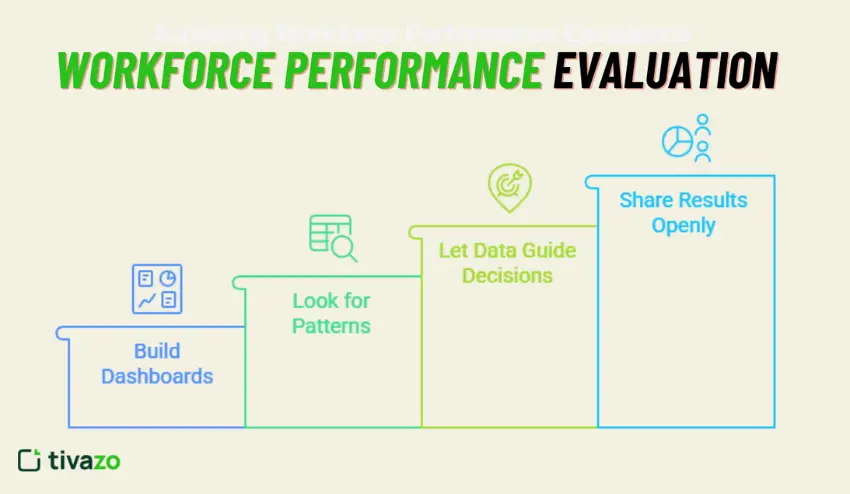
Smart evaluation goes beyond individual scores to spot patterns. Your dashboard should reveal trends that guide real decisions. Look at what separates high performers from struggling teams. Use these insights to spread good practices and fix systemic problems before they hurt productivity.
Build Simple Dashboards
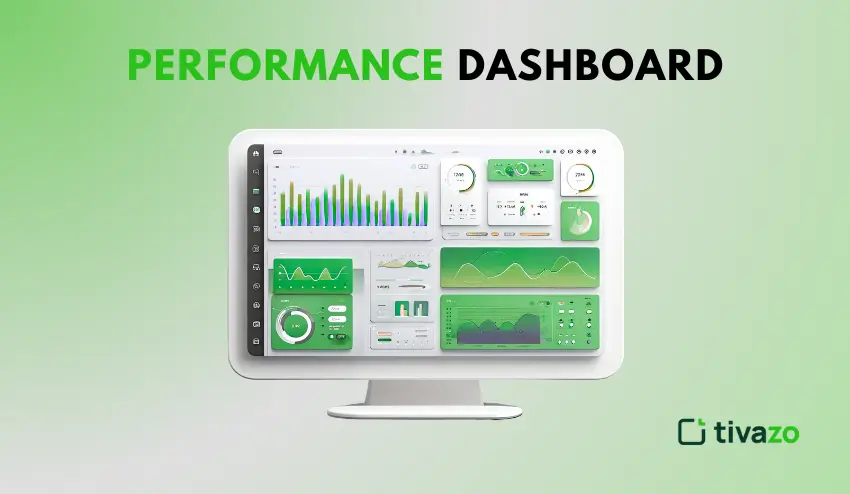
Good dashboards can save you hours. One glance shows how your team is doing.
Track important metrics like:
- Goal completion percentages
- Productivity trends month by month
- Common skill shortages
- Employee satisfaction levels
- Who’s leaving and why
Charts beat tables every time as people understand visuals faster.
Look for Patterns
Individual scores matter less than trends. Is productivity dropping company-wide? Are certain departments crushing it?
Dig into why patterns exist. High performers might share great managers or better training.
Use patterns to:
- Spread what’s working
- Help struggling teams
- Decide where to invest
- Choose who to promote
- Improve your employee monitoring methods
Let Data Guide Decisions
Stop guessing. Check what the numbers say.
Real scenario: Your data shows output drops every Thursday. Before blaming laziness, investigate.
Maybe you discover:
- Too many meetings drain energy
- Key systems crash under load
- People lack clarity on priorities
Fix the real problem. Productivity improves when you address root causes.
Share Results Openly
Show team performance data when it makes sense. Transparency builds trust.
Celebrate progress together. People push harder when they see movement toward goals.
Keep individual details private. Never shame anyone in public.
Final Tips for Success
Start small and build your system gradually over time. You need to train managers on giving feedback that actually helps people improve. Keep everything simple enough that your team will use it daily and adjust your approach as your company grows and needs change.
- Begin Small: Don’t overhaul everything overnight. Start with basic goals and monthly talks. Add sophisticated employee monitoring gradually. Small changes stick better than big shocks.
- Train Your Managers: Tracking means nothing if managers can’t give good feedback. Teach them how. Bad delivery ruins everything. Spend time developing your supervisors.
- Keep Things Simple: Complex systems fail because nobody uses them. Pick methods that fit your culture. The best system is the one people actually follow. Simple beats fancy.
- Check What’s Working: Your approach should evolve as you grow. What fits 20 workers won’t fit 200. Review your performance measurement framework quarterly. Keep winners, fix losers.
Conclusion
Tracking employee performance sounds harder than it is. You need clear goals, regular talks, and decent tools. Watch numbers and people equally. Balance productivity metrics with engagement and growth.
Skip mistakes like inconsistent tracking or ignored feedback. Make performance management helpful, not scary.
Apply these strategies to create something useful. Your team gets more done, feels better, and grows faster.
The point isn’t perfect tracking. It’s helping people succeed and build careers. Pick one tip from this guide today. Choose the option that best fits your biggest problem and do it. Better employee productivity comes from better performance tracking. Give your team the clarity they need.
Ready to transform your employee performance tracking? Start your free trial with Tivazo