Good workplace communication makes your job easier. Period. When you can actually talk to your coworkers, things happen. Projects get done. Problems get solved faster. Nobody sits around wondering what the hell is going on.
Here’s the thing: 86% of workplace failures trace back to bad communication. That’s not a small number. It means most problems at work start because somebody didn’t say something clearly, or someone else didn’t listen.
This guide covers the real skills you need. No corporate jargon. No buzzwords. Just practical stuff you can use tomorrow morning.
What Are Workplace Communication Skills?
Workplace communication skills are how you share information at work. This includes listening actively to employees, reading the room, drafting clear emails, and speaking clearly in meetings. Strong communication ensures tasks get done, ideas are understood, and collaboration flows smoothly.
These skills matter because confusion wastes time. When people understand each other, work flows. When they don’t, everything grinds to a halt. Workers lose 2.5 hours daily fixing communication problems. That’s half your morning gone.
Good internal communication keeps everyone aligned. It creates an environment where ideas move freely. No information hoarding. No departmental silos.
Why Workplace Communication Skills Actually Matter
Let us break down what good communication does:
- It builds trust between teammates. People open up when communication feels safe. They share ideas. They admit mistakes. They help each other.
- It increases employee engagement. Ever felt ignored at work? It sucks. When people hear your voice, you care more. You show up differently.
- It reduces turnover. People quit jobs where they feel unheard. Companies with solid communication see half the turnover. That’s huge.
- It prevents stupid mistakes. Clear instructions mean fewer screw-ups. Teams waste less time fixing avoidable problems.
- It improves cooperation. Everyone knows what’s happening and stays informed about project updates and changes.
- It boosts productivity in measurable ways. Less “what did you mean?” More actual work. You spend time doing, not clarifying.
Key Types of Workplace Communication
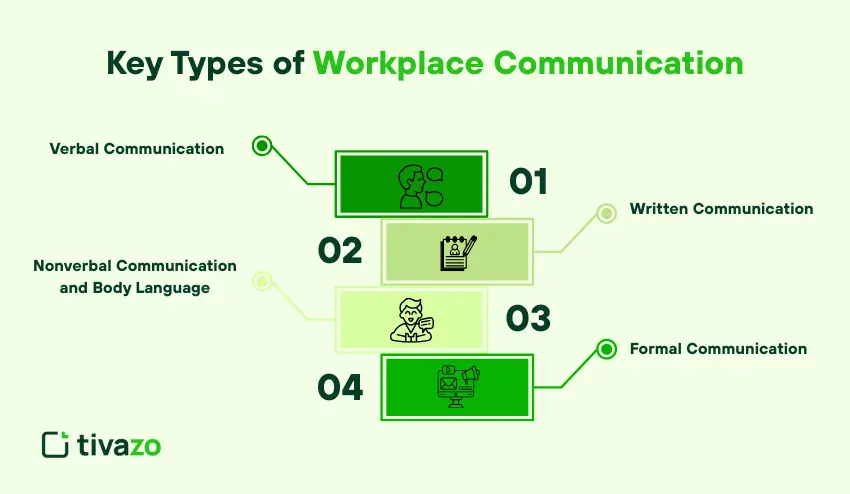
Different situations need different approaches. Knowing which to use is half the battle.
Verbal Communication
Speaking clearly in meetings keeps everyone on track. Match your tone to the situation. Casual works for team chats. Presentations need something more formal.
Confidence helps your ideas land better. Break complex topics into simple words. Good communicators don’t show off with fancy language. They make things crystal clear.
Written Communication
Emails, Slack messages, reports, they all need clarity. Short sentences beat long, tangled ones. Always. Applying this same brevity to email automation ensures your triggered workflows remain professional and effective.
People read faster when your writing is straightforward. They remember more, too. Keep it professional. Even quick messages deserve a respectful tone.
Nonverbal Communication and Body Language
Your body talks before you do. Facial expressions. Posture. Hand movements. People read these signals instantly.
Body language either supports your words or contradicts them.
Some examples of it are:
- Standing straight and facing someone shows confidence
- Crossed arms signal you’re closed off
- Eye contact proves you’re paying attention
- Staring at your phone screams disinterest
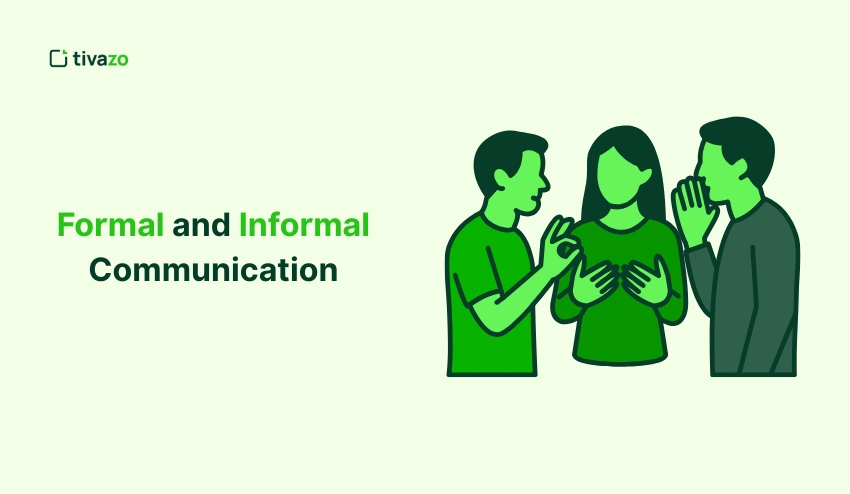
Formal Communication in the Workplace
Some situations require official channels. Policy changes. Performance reviews. These follow specific formats. They create records that protect everyone.
Formal communication documents important decisions. It’s essential for company announcements and legal matters. Knowing when to go formal shows professionalism.
Choosing the Right Communication Channel
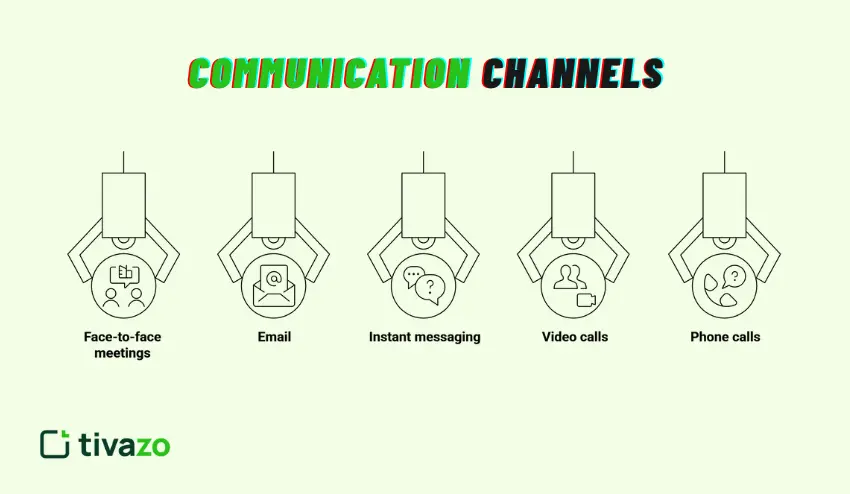
Not every message needs the same delivery method. Picking the wrong one wastes time and confuses people.
- Face-to-face meetings: This is best for complex discussions and sensitive topics. Skip them for quick updates.
- Email: Perfect for formal requests and documentation. Terrible for urgent issues or emotional conversations.
- Instant messaging: Great for quick questions and status updates but bad for detailed explanations or formal requests.
- Video calls: This is ideal for remote collaboration and presentations. Overkill for simple yes/no questions.
- Phone calls: Use for urgent issues and quick clarifications, but not great for group discussions.
Top Workplace Communication Skills You Actually Need
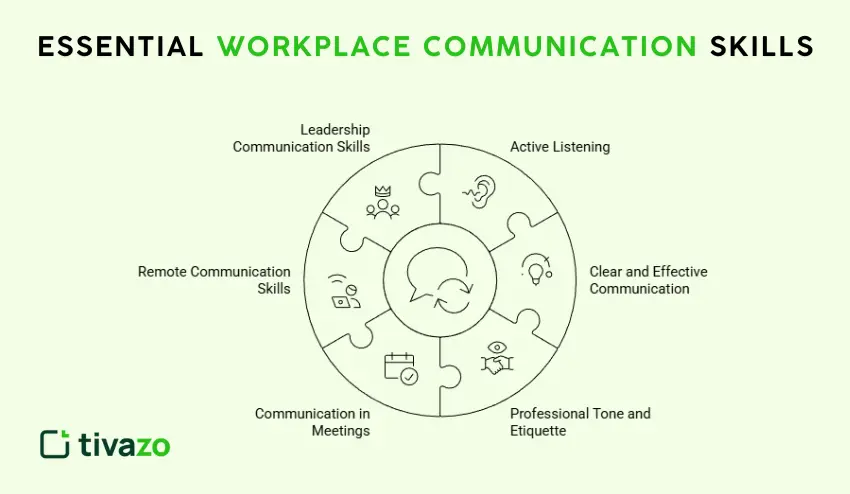
These are the core abilities that matter. Master these, and you’ll work better with everyone.
Active Listening
Listen to understand. Not just to respond. Focus completely on the speaker. Put your damn phone away.
Ask questions when something’s unclear. Don’t interrupt people mid-sentence. Teams practicing active listening finish projects 25% faster. That’s real data.
Active listening shows respect. It prevents misunderstandings. People trust you more when you actually hear them.
Clear and Effective Workplace Communication
Structure your messages with a beginning and an end. State your main point first and then add details.
Avoid slang that others might not understand. Check clarity before you hit send. One quick review saves hours of confusion later.
Professional Tone and Etiquette
Use respectful language in every workplace conversation. Emails. Meetings. Casual chats. All of it.
Manage your emotions, especially during tough discussions. Stay calm. Choose words carefully. You can be direct without being a jerk.
Communication in Meetings
Speak clearly and stay on topic. Prepare your thoughts beforehand so you don’t ramble.
Take notes on important points and action items. Follow up after meetings. It shows commitment.
Effective meeting communication includes:
- Arriving prepared with relevant materials
- Speaking only when you have something to add
- Asking questions if something is unclear
- Summarizing action items at the end
- Sending follow-up emails within 24 hours
Remote Communication Skills
Remote teams need extra care for communication. Video calls require good lighting and clear audio. Use chat tools for quick questions. Save longer discussions for calls where tone comes through.
Be patient with async communication. Give clear context in messages. Write like the reader knows nothing.
Leadership Communication Skills
Leaders must give instructions that people can actually follow. Be specific about what and when. They must share feedback honestly but kindly. Transparent communication builds team trust.
Explain the “why” behind decisions. This helps people understand their role. It connects individual work to bigger goals.
How to Improve Communication Skills in the Workplace
Practice active listening every single day with everyone. Put away distractions and focus on sthe peakers. Challenge yourself to remember three key points per conversation.
Ask peers and managers for constructive feedback. They spot blind spots you miss. Be open to criticism. Don’t get defensive.
Watch people who communicate well at work. Study their methods. Notice how they explain things, how they handle tough conversations. You learn more from observation than from books.
Learn your company’s communication tools inside out. Knowing which tool to use saves time. Read books or take short courses on communication. Small improvements add up. Even 15 minutes daily shows results.
Practical steps to start today:
- Record yourself in a practice presentation and watch it back
- Ask a trusted coworker to give you honest feedback
- Join a public speaking group or workshop
- Practice summarizing complex ideas in one sentence
- Read your emails out loud before sending them
Role of Workplace Communication in Employee Engagement
Open communication makes employees feel valued and respected. When people can speak up, they contribute better. This creates a workplace where everyone wants to succeed.
Encourage everyone to share ideas. Not just managers. Innovation happens at all levels. The best ideas often come from people doing daily work.
Trust grows when leaders communicate honestly about challenges and successes. Employees stay longer where they feel heard. Good communication reduces turnover and saves recruiting money.
Common Workplace Communication Mistakes to Avoid
Poor listening is the biggest problem in offices. People think about their response instead of listening. This leads to repeated explanations. It wastes time.
Unclear written messages frustrate everyone. Proofread emails before sending. One extra minute prevents hours of clarification.
Negative or harsh tone damages relationships permanently. Even when frustrated, stay professional. You can be direct without being mean.
Remote teams struggle with miscommunication more often. Over-explain rather than assume understanding. What seems obvious to you confuses others.
Common mistakes include:
- Sending emails when angry or frustrated
- Using all caps (it feels like shouting)
- Forgetting to reply to messages
- Making assumptions without asking questions
- Talking more than listening
Best Practices for Effective Workplace Communication
Keep messages simple. Stick to one main point per message. Long, rambling messages get ignored. Multiple topics? Use separate messages or numbered lists.
Pick the right communication channels for each type. Quick updates work on chat. Complex topics need calls. Urgent matters deserve phone calls, not emails.
Pay attention to body language, in person and on video. Make eye contact. Use gestures that match your words. Physical presence communicates as much as words.
Quick tips:
- Read messages out loud before sending
- Use bullet points to organize information
- Respond within 24 hours when possible
- Say thank you when people help
- Admit mistakes quickly and clearly
- Use people’s names when addressing them
- End conversations with clear next steps
Real Story: How Better Communication Saved a Product Launch
A software company was three weeks from launch. The development team thought marketing knew about delays. Marketing had already promised features to customers. Nobody actually confirmed anything.
It started with a hallway conversation. The lead developer mentioned the delay casually. Didn’t follow up with an email. The marketing manager was distracted by another call. She missed the full message.
Two weeks later, a project manager noticed the disconnect during a routine status meeting. She immediately called an emergency video call. Both teams joined. They used active listening to understand what went wrong.
The teams created a new communication plan immediately. All important updates now go through email. With read receipts. Weekly video calls where everyone shares progress. A shared document that everyone checks daily for critical updates.
The result? They delayed the launch by one week. But kept customer trust intact. The company now uses this system for all projects. Miscommunications dropped 60% in six months. Project completion rates improved significantly.
Key lessons from this story:
- Important information needs written confirmation
- Regular check-ins prevent dangerous assumptions
- One person should own cross-team communication
- Quick action limits long-term damage
- Simple systems work better than complicated ones
Conclusion
Workplace communication skills matter for every employee, at every level. They improve teamwork. They reduce errors. They boost productivity across departments.
Start small. Work on active listening today in your very next conversation. Practice one skill at a time. Don’t try changing everything at once. You’ll get overwhelmed and quit.
Remember that effective workplace communication takes practice. Be patient as you learn. Everyone makes mistakes while learning. That’s completely normal.
Your career benefits from strong communication abilities. More than almost any technical skill. Invest time in developing these skills. You’ll see results quickly. The effort you put in today pays off forever.