Tired employees hurt your business. When your team works too hard for too long, everyone loses. Workers become sick, quality drops, and people quit. The cost goes beyond individual health and affects your entire organization.
Recognizing overworked employees early prevents costly turnover and productivity losses. Most managers miss the warning signs until it’s too late. By then, your best people are already looking for new jobs or suffering from severe burnout.
This guide shows you how to spot overworked employees before burnout happens. You’ll learn the warning signs and simple ways to fix the problem. Taking action now protects both your team and your bottom line.
What Are Overworked Employees?
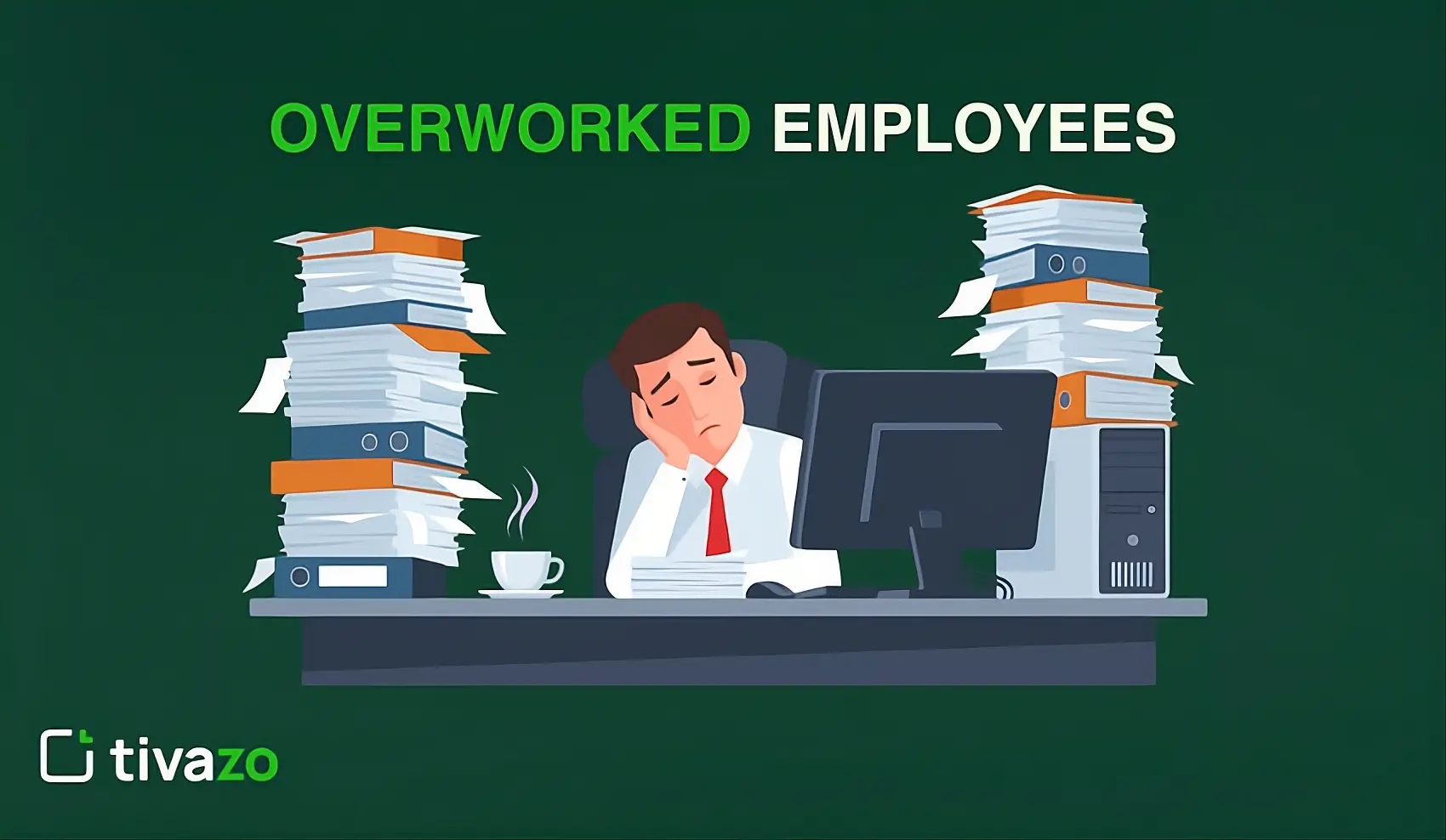
Overworked employees are team members who are constantly subjected to job pressures beyond their abilities to deliver quality work. They are subjected to long work hours and lack time to rest or take breaks. The job is nonstop, leading to persistent strain and burnout.
This is not concerned with the periods of occasional rush during the product launches or seasonal rushes. Overwork is a repeated process where the stress is not relieved. Weeks become long stretches of deadlines and no-breathing space.
Meaning of Overwork in the Workplace
Overwork refers to a situation where job requirements are always above the ability of an individual. The workload does not allow a chance to rest. Work comes by at a rate higher than one can manage its completion well.
Connection Between Workload, Stress, and Burnout
The development of a high workload to burnout has a predictable pattern:
- Overwhelming Workload: The number of duties makes one feel under a lot of stress and worry.
- Stress builds up: Stress is accretive: It builds up and gets worse with each passing day.
- Chronic stress becomes burnout: Prolonged pressure kills health and performance.
- Distinct signs of burnout: Employees experience emptiness, detachment, and an inability to cope.
- Recovery takes months: Burnout hurts individuals in such a manner that it takes a long time to be cured.
Burnout signs among employees would include being emotionally exhausted and having no more purpose in work.
Why Recognizing Overworked Employees Early Matters
Small issues are stopped before turning into a disaster. Easy changes can bring you back on track when you identify workplace stress in time. Overwork can be detrimental to your whole organization in terms of reduced productivity and loss of money when it is not attended to.
Effects on Productivity
Implications on Productivity: When workers are tired, they commit more errors. They are slower in spite of longer working hours. In all projects, quality is compromised.
It has been found that productivity decreases drastically beyond 50 hours a week. Your group is doing less, although the team is working longer hours.
Increased Absenteeism and Turnover
Due to overwork, employees take more sick leaves more frequently. They go to physicians on a regular basis due to stress-related illnesses. Some simply stop showing up. Some of them end up dropping out in order to safeguard their health.
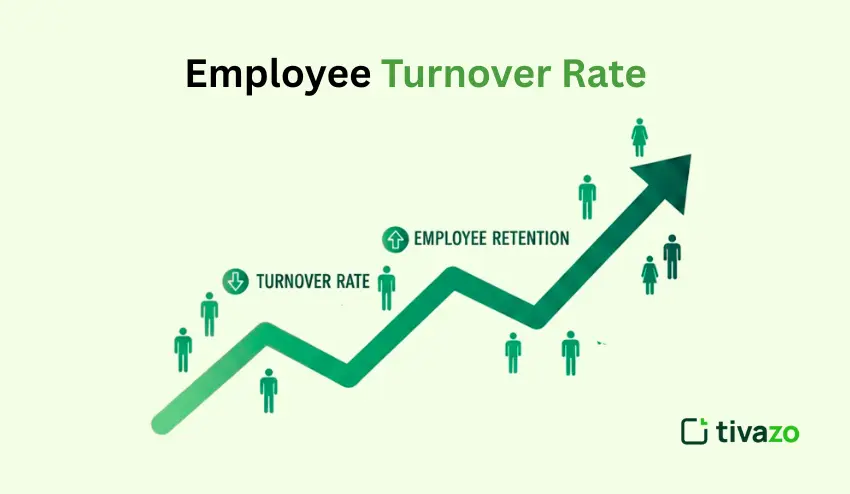
Substituting them is expensive by thousands of dollars per individual. The turnover rates are an indication of severe issues with coping with stress at work.
10 Key Signs of Overworked Employees
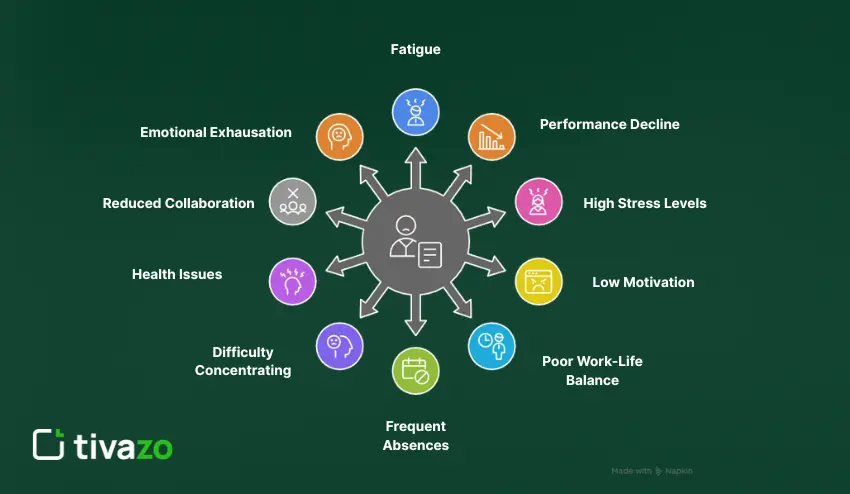
Early detection of employee burnout symptoms will assist you in intervening before the damage is too severe. These red flags manifest themselves over time, in weeks or months. All of them are an indication that a member of your team is in dire need of a break and release from their workload at the moment.
1. Constant Fatigue and Low Energy
Every day, your group mate is exhausted, with or without sleep. During meetings, they often yawn. There is no long-term stimulation associated with coffee and energy drinks.
There is no fluctuation in energy levels, which remain low in the morning and at night. The rest days and the weekends do not replenish them as they ought. This is the physical fatigue that becomes the earliest sign that one is overworked.
2. Declining Work Performance
The quality declines in jobs that they could complete comfortably and with ease. They miss deadlines that they have been able to meet without any difficulty. Simple projects take an eternity to accomplish.
Month after month, performance scores go down in quantifiable measures. The employee who has done well now finds it difficult to cope with simple tasks that they have been doing over the years. This is an indicator of excessive work in the workplace, which impacts their fundamental abilities and professionalism.
3. High Stress Levels
Short-tempered and easily annoyed by little things. Minor issues create major responses that appear to be out of proportion to the issue.
The employee always appears to be nervous or concerned about work. They say that they are overwhelmed with the day-to-day activities that are supposed to be normal. The stress at the workplace is evident in their words and feelings revealed through patterns of behavior during the day.
4. Lack of Motivation and Engagement
The passion is entirely lost in their work attitude. The individual ceases to share ideas in the meetings and brainstorming sessions. They only do the bare minimum instead of going out of their way.
Teams are not actively involved in their meetings as they used to be before. The projects they were once excited about now appear like a duty to be taken. The lack of employee engagement is frequent after months of working with too much work and insufficient support.
5. Poor Work-Life Balance
It is the same employees who send emails at midnight and on weekends. Work calls are made during vacation and family events. The time off they are entitled to is wasted annually.
The employee discusses how they missed family events and activities of their children. Personal interests and hobbies are entirely neglected. Life becomes minute as work takes up all the time and energy one can get.
6. Frequent Absences
The number of sick days has been growing significantly since their attendance record was previously high. Health problems arise in the form of doctor appointments. This individual would come in late or walk out early, in most cases, having a different excuse each time.
The absenteeism is a trend and not a one-time phenomenon. This will cost your company a lot in terms of coverage requirements and unproductive time. Humans become unhealthy due to prolonged excessive work in the workplace, resulting in real health issues.
7. Difficulty Concentrating
During meetings, attention is lost even concerning serious issues. The instructions must be repeated several times before they get registered. Errors occur very often because of missed details and information disregarded.
The employee loses the memories of the conversations he had yesterday or at the beginning of the week. They forget what they are doing in between tasks and require constant reminders. Their mental fatigue does not allow them to think clearly and focus their attention over time, which is necessary in their positions.
8. Health Issues and Burnout Symptoms
The headache develops as a frequent condition several times a week. Muscle tension and back pain ensue. The weight will increase or decrease significantly in a few months.
Others become very serious, such as blood pressure, digestive issues, and chronic pain. The fact that sleep problems do not allow one to recover only worsens the situation. Such are the first indicators of burnout in employees, having a physical impact that can be quantified and alarming.
9. Reduced Collaboration
The former friend no longer wants to take part in teamwork and socialization. They miss lunch with their workmates, with whom they used to spend time. Communicating is reduced to a minimum and is transactional.
Group projects receive partial rather than whole-hearted efforts. Helping others does not occur because they save on the energy that is diminishing. The sense of isolation is growing week after week as they dissociate themselves and do not want to have any unnecessary contacts.
10. Emotional Exhaustion
The reason why crying in the workplace is a more frequent phenomenon than it ought to be. Words of desperation are thrown into everyday language. Remarks on being trapped, having no value, or being burned out give more insight into the underlying struggles.
The individual appears anesthetized or unfeeling toward the things that they are supposed to care about. No joy, no gratification is found anymore, even in great attainments. They can say that they are broken or damaged into pieces. This is the state of highly burned-out employees who need urgent service and intervention by professionals.
Main Causes of Overwork in the Workplace
Understanding what drives overwork helps you prevent it. Three primary factors create most overwork situations. Addressing these underlying issues creates lasting change.
Heavy Workload
Too many projects land on too few people. Team size doesn’t match the work volume. When someone leaves, their tasks get dumped on the remaining staff.
Nobody hires a replacement. The load keeps growing while resources stay the same.
Poor Workload Management
Managers don’t track who handles what. Some employees carry double while others coast.
Tasks get assigned without checking current commitments. Nobody says no to new requests. Lack of visibility creates unfair distribution across the team.
Unrealistic Deadlines
Bosses offer clients unrealistic delivery dates. Projects receive half the time they require.
Fraudulent urgency is always being frenziedly chased after by teams. The compromises made to quality become a norm to meet deadlines.
Even well-performing individuals are fatigued by time pressure that maintains itself over a long period of time.
Tips to Help Overworked Employees
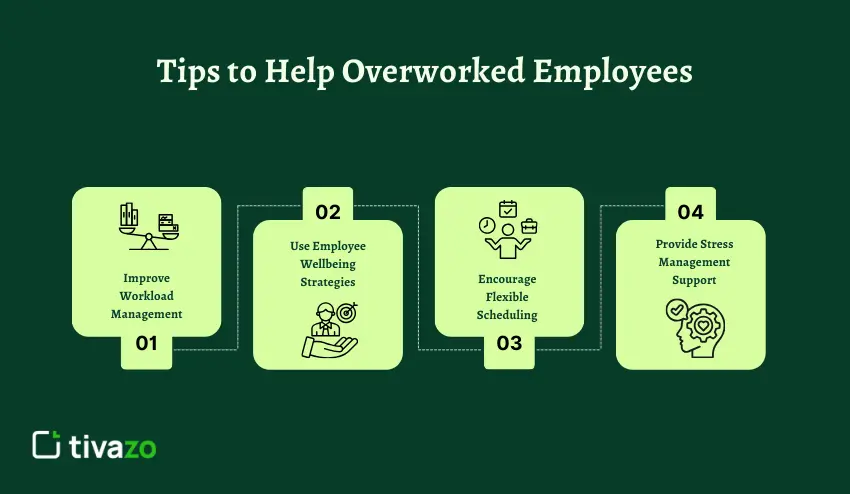
Action is a way of securing your people and your business. These are practical measures that deal with the underlying causes but offer a quick fix. Begin to put them into practice.
Improve Workload Management
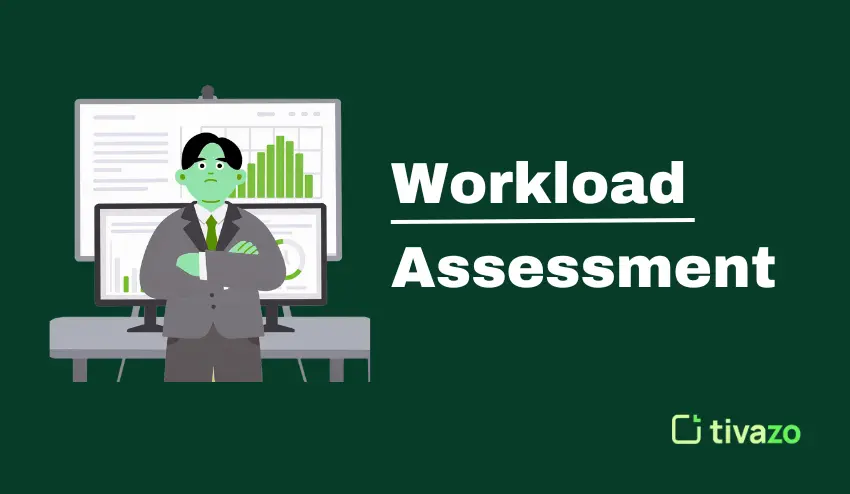
Monitor the assignments of each individual. Single workload spreadsheets or workload tracking programs.
Allocate work equally among the team. Assign work to overworked employees and those with the capacity. Meet with team heads once a week. Make modifications when issues become large.
Use Employee Wellbeing Strategies
Initiate stress-related wellness programs. Provide counseling services and mental health. Offer secluded spots of rest. Stock healthy snacks. Make use of real lunch times off desks.
Demonstrate to employees their health issues, rather than strict time limits.
Encourage Flexible Scheduling
Allow individuals to change start and end times where there are chances. Provide the option of remote working to lower stress during the commute.
Allow employees to work on their hours provided they achieve objectives. Malleability assists them in managing individual requirements. This helps in working-life balance and does not compromise results.
Provide Stress Management Support
Educate and train managers on how to be aware of stress at work. Show them how to engage in supportive talk.
Hire professionals to conduct training on how to handle employee workload. Management tools and techniques on share time. Design a place that is safe to seek help.
Strategies to Prevent Employee Burnout
It is better to prevent burnout rather than cure it afterwards. Such strategies cannot be implemented in a single move. These must be a part of your culture.
Promote Work-Life Balance
Establishing definite limits of after-hours communication enhances the work-life balance as it motivates employees to unhook during evenings and weekends.
Business firms must also make workers take their vacations and show by example in matters of keeping limits. The balance between work and life makes people satisfied with their jobs and healthier.
Monitor Workloads
Make frequent visits to the members of the team. Inquire about what they have on their plate now. Conduct employee surveys on matters relating to workload in an anonymous manner.
Take the results seriously. Be aware of the warning signs of problems before you experience the symptoms of burnout.
Support Mental Health
Provide employee assistance programs that are free-counseling. Minimize stigma through open dialogue about mental health.
Train HR specialists on how to deal with stress-related issues. Adjust to situations when necessary. What the brain can do better is when it is in good health.
Comparison: Healthy vs. Overworked Employee Patterns
| Factor | Healthy Employee | Overworked Employee |
| Energy Levels | Consistent throughout the day | Constantly fatigued |
| Work Quality | Maintains high standards | Declining performance |
| Attendance | Regular with rare absences | Frequent sick days |
| Engagement | Active participation | Withdrawn and quiet |
| Health | Generally well | Multiple complaints |
| Hours | Reasonable schedule | Excessive overtime |
Real Example: Reducing Workplace Fatigue
A marketing agency noticed three designers showing employee burnout signs. All three missed deadlines and called in sick frequently.
The company took action:
- Hired one additional designer to share the load
- Implemented project limits per person
- Required two weeks of vacation annually
- Added mental health days
Within two months, performance improved. Sick days dropped by 60 percent. All three designers stayed with the company.
The cost of one new hire was less than replacing three burned-out employees.
Conclusion
Overworked employees show clear warning signs before they break. Watch for fatigue, declining performance, and health issues.
The effects of employee overwork on productivity hurt everyone. Your business loses money and talented people.
How to support employees starts with noticing the problem. Then take real action through better workload management and employee well-being strategies.
Solutions for overworked employees exist. Use them before burnout takes your best workers.