Task assignment has a big impact on how smoothly a team works. When tasks are clearly explained and assigned with care, work flows faster, deadlines feel more manageable, and everyone knows exactly what they’re responsible for.
But mess it up? You’ll see missed deadlines, confused team members, and a lot of frustration. Nobody wants that.
In this guide, we’ll show you how to keep your team working at its best.
What Is Task Assignment?
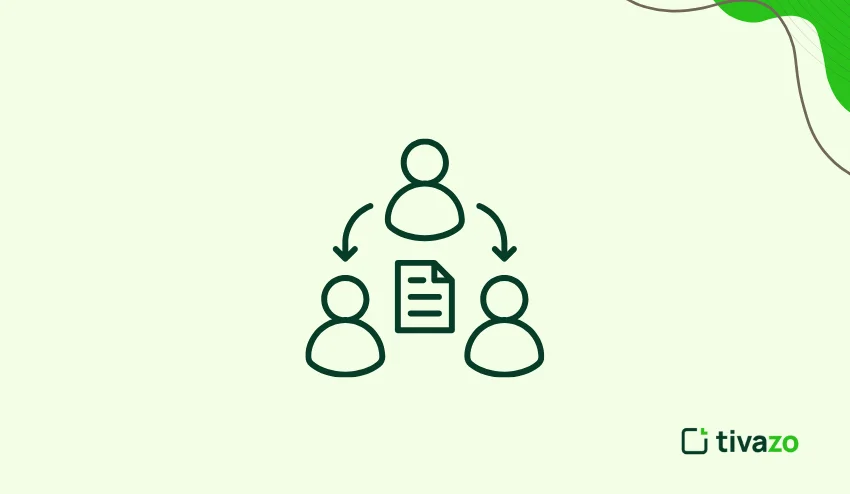
Task assignment refers to the process of deciding who handles each piece of work, when they need to finish, and how they’ll update everyone. You figure out who does what on your team.
It determines how work flows through your organization and who takes responsibility for each piece. Understanding what it actually means helps you do it better.
Task Assignment vs Task Delegation
People mix these up all the time:
- Task assignment happens when you plan out a project and split up all the work
- Task delegation is when you hand off your own work to someone else
- Assignment is about organizing the whole team, and delegation is about passing the baton
Who Does What in Task Assignment
Your project lead maps out all the work that needs to be done. Managers look at who’s good at what and who has time. Team members do the actual work and keep everyone posted. Pretty straightforward, right?
Key Elements of Effective Task Assignment
Every successful task assignment relies on a few critical components working together. Miss any of these and your whole system starts falling apart. Getting these elements right from the start saves you tons of headaches later.
Clear Roles & Responsibilities
Everyone needs to know exactly what they’re supposed to do. Write it down so there’s no guessing.
When people aren’t sure about their job, they either do nothing or step on each other’s toes. Neither helps.
Understanding Task Characteristics
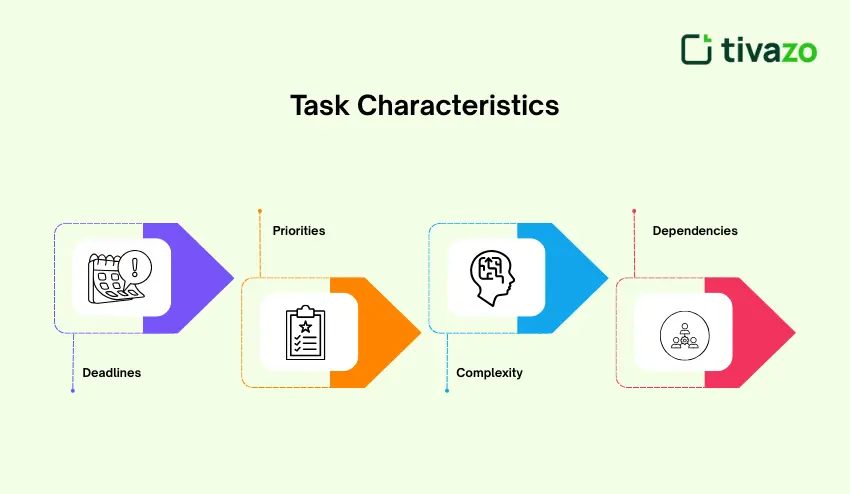
- Deadlines aren’t just random dates. They need to make sense based on how hard the work actually is.
- Priorities tell your team what matters most right now. You can’t make everything urgent, or nothing is.
- Complexity matters because you don’t give brain surgery to someone on their first day. Hard stuff goes to people who can handle it.
- Dependencies are the “you can’t do B until A is done” situations. Miss these, and your whole timeline falls apart.
Workload Balance
Some managers pile everything on their best worker. Don’t be that manager. Maintaining proper workload balance means checking how much each person already has before assigning more work. Burned-out employees don’t produce good results, and poor workload balance hurts both performance and morale.
Task Assignment Strategies
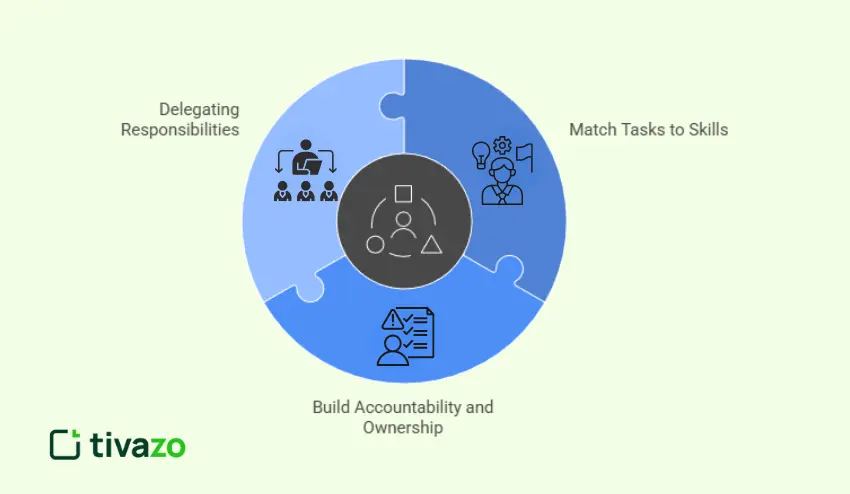
Task Assignment is more than just handing off work you don’t want to do. It’s about putting the right tasks in the right hands so everyone contributes their best work. Smart assignment strategies make your whole team stronger and more capable.
Match Tasks to Skills
It sounds obvious, yet it’s often overlooked. Your graphic designer shouldn’t be writing legal contracts. When tasks don’t match people’s skills, work slows down and frustration builds.
Take a moment to understand what each team member does best and assign tasks accordingly. You’ll save time, reduce mistakes, and spare everyone a lot of unnecessary stress.
Build Accountability and Ownership
When you give someone a task, actually give it to them. Let them own it.
People care more about work they feel responsible for. Spell out what good looks like, but don’t breathe down their neck.
Delegating Responsibilities at Work
When delegating responsibilities, start small, especially if someone is new to handling bigger tasks. You wouldn’t hand car keys to a kid; the same logic applies at work.
Give people the resources and context they need to succeed, then step back. Check in regularly, but don’t hover. Good delegating responsibilities builds confidence, ownership, and stronger teams.
Task Prioritization in Teams
Without clear priorities, teams burn energy on work that doesn’t really matter. Task prioritization in teams helps separate what’s truly important from what just feels urgent.
It’s the difference between a team that’s constantly busy and one that’s actually productive.
Why Prioritization Matters
Your team can’t do fifty things at once. Something has to come first.
Without priorities, people pick whatever seems easiest or most fun. Meanwhile, the stuff that actually matters sits there waiting.
Align Tasks with Project Goals
Every task should help you reach your goal. If it doesn’t, why are you doing it?
Ask yourself, “Does this move us forward?” If not, cut it loose.
Task Assignment Best Practices
Following proven methods keeps your task assignment consistent and reliable. These practices have worked for countless teams across different industries. They’re not complicated, but they require discipline to stick with them.
Set Clear Expectations
Vague instructions are worse than no instructions. Tell people exactly what you want.
Cover these basics:
- What the end result should look like
- How good does it need to be
- What they can use to get it done
- Who to ask if they get stuck
Encourage Team Collaboration
Get your team involved in planning who does what. They know their workload better than you do.
People work harder on plans they helped create. Plus, they’ll catch problems you missed.
Track Progress and Follow Up
Don’t just assign tasks and disappear. Check in regularly to see how things are going.
Quick status updates catch issues while they’re still small. Wait too long, and small problems become big disasters.
Common Task Assignment Mistakes
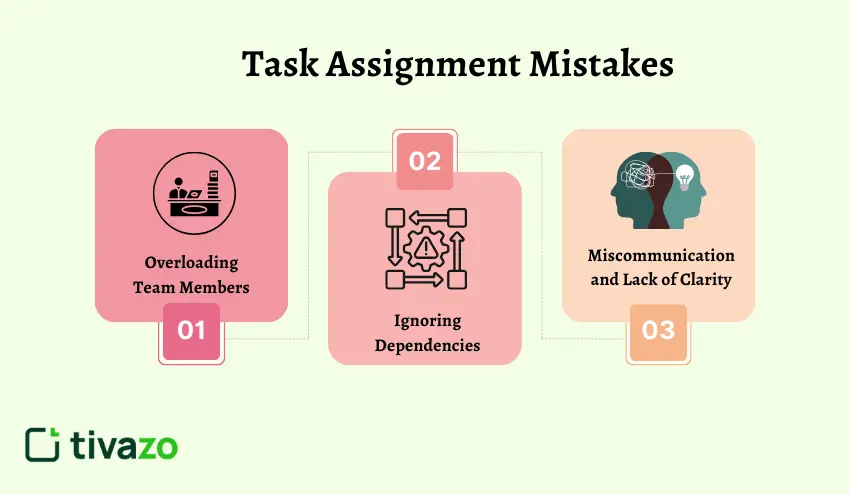
Even experienced managers make predictable errors when assigning work. These mistakes show up again and again across different teams and industries. Recognizing them early helps you avoid the worst consequences.
Overloading Team Members
Your star employee can’t do everything. Even if they’re great, they’ll crack eventually.
Here’s what happens: You keep going back to the same reliable person because they always deliver. They keep saying yes because they want to help.
The damage: Their work gets sloppy, deadlines get missed, and eventually they quit or burnout completely.
Miscommunication and Lack of Clarity
Fuzzy instructions mean people guess what you want. They’ll guess wrong.
Warning signs:
- People ask you to repeat things over and over
- The work they turn in isn’t what you expected
- Everyone looks confused in meetings
Ignoring Dependencies
Some work has to happen in order. You can’t paint a wall before you build it.
Figure out what needs to happen first before you start handing out tasks. Otherwise, people sit around waiting or do work that gets thrown out.
How Poor Task Assignment Affects Team Performance
Lack of effective allocation in tasks leads to a ripple effect that impacts every single thing done by the team. It goes beyond just a single deadline or employee not understanding; hence, understanding these impacts enables us to see why the importance is so huge.
Reduced Productivity
Bad task assignment wastes everyone’s time. People work on the wrong stuff or do the same thing twice.
Half the day goes to figuring out what’s actually supposed to happen. That’s not productive, that’s chaos.
Lower Efficiency and Morale
Fixing assignment errors all the time gets tiresome very quickly. Your team starts wondering if you know what you’re doing.
When people think their work doesn’t matter, they stop trying. Can’t blame them really.
How to Avoid Task Assignment Errors
Prevention beats fixing mistakes after they’ve already caused damage. Building good systems and habits stops most problems before they start. These approaches work whether you’re managing two people or twenty.
Create Structured Task Distribution
Use the same process every time:
- Write down everything that needs doing
- Figure out what skills each task needs
- See who’s available and when
- Match people to tasks that fit them
- Tell everyone what they got
- Keep a record of who’s doing what
Following a system keeps you from making dumb mistakes when you’re rushed.
Hold Regular Check-Ins and Gather Feedback
Talk to your team every week about how things are going. Ask if anyone’s drowning in work. Actually listen when someone says they have too much or too little. Move tasks around based on what you hear.
Make it safe for people to be honest about their workload without getting penalized.
Tools for Team Task Management
The right software makes task assignment way easier than spreadsheets and email chains. Modern task management tools give you visibility into your entire operation at a glance. They handle the boring tracking stuff so you can focus on the actual work.
Why Use Task Management Tools
Trying to track everything in your head or on sticky notes doesn’t work. Software helps you see the whole picture.
These tools remind people about deadlines, show who’s working on what, and track progress automatically. They make your life easier.
Popular Task Management Platforms
- Asana lets you view tasks in different ways depending on what makes sense. Lists, boards, calendars – pick what works.
- Trello uses cards you can drag around. Five minutes, and anyone can figure it out.
- Jira gets technical and detailed, which developers love. Everyone else finds it kind of overwhelming.
- At Monday.com, you can customize however you want. Set up automations so the tool does repetitive stuff for you. Pick whatever your team will actually use. The fanciest tool is useless if nobody opens it.
Conclusion
Effectively assigning tasks is not a hard job, and it actually makes a big difference. Effectively assigning tasks means knowing what has to be done and by when, ensuring that the workload is equitably distributed, and staying in touch with how things are going.
Everyone can be accountable and aligned with the help of a good task management tool.
Project completion occurs, and individuals remain motivated due to the absence of basic blunders such as unclear instructions, befuddled priorities, and unbalanced loads.