The performance of a work environment depends on how employees perform and complete their tasks. Not knowing what your employees are doing or how they are doing it results in low productivity and hampers your business.
That’s where performance appraisal fits right in. Performance appraisal is how companies measure and improve how their team members work. It helps managers see who’s doing well and who requires help.
A good evaluation system makes employees work better. It keeps them engaged and helps them grow in their careers. This guide will show you exactly how to evaluate employee performance effectively.
What is Employee Performance Appraisal?
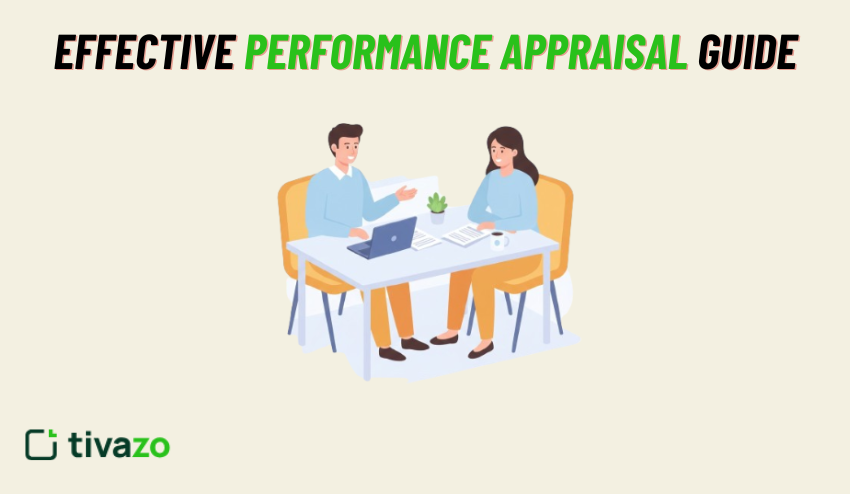
A performance appraisal, also known as a employee evaluation, is the process by which a project manager checks in with their employees to assess their performance and progress.
This process happens regularly, usually once or twice a year. Some companies do it quarterly. The manager and employee meet to discuss strengths and areas that need work. They talk about past performance and set new goals.
Employee evaluation helps both the company and the employees. The companies get better results, and employees know how to improve. Good evaluations identify accomplishments and plan for future growth.
Importance of Employee Performance Appraisal
Skip evaluations and watch what happens. People stop caring about quality, and nobody knows if they’re doing well or not. You end up guessing who deserves raises. Good workers quit because they feel invisible. Bad habits spread like weeds.
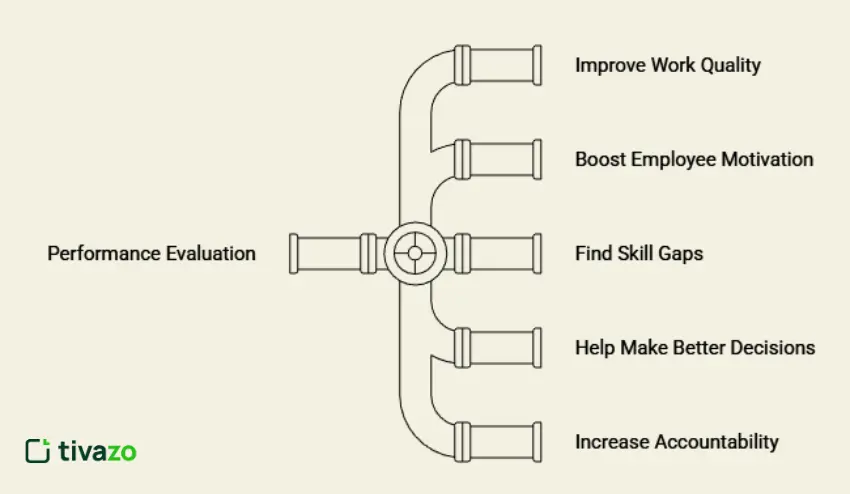
Here’s what changes when you evaluate properly:
- Improves Work Quality: People try harder when they know someone’s watching. Set clear targets, and most workers will hit them.
- Boosts Employee Motivation: Your team wants feedback. They want to know if they’re on the right track. Silence kills motivation faster than criticism.
- Finds Skill Gaps: You can’t fix problems you don’t see. Evaluations show you exactly where people need help or training.
- Helps Make Better Decisions: Who gets the promotion? Who needs a warning? Data beats guesswork every single time.
- Increases Accountability: When people know reviews are coming, they pay more attention to their work. It’s human nature.
Who Is Involved in the Performance Appraisal Process?
You can’t do this alone. Good evaluations need input from different people who see different things.
- The Manager: The manager runs the show, schedules meetings, and makes final calls on ratings and next steps.
- Team Leader and Supervisor: They see the day-to-day stuff managers might miss. They know who shows up late, who helps others, and who cuts corners.
- The Employee: The person being reviewed needs a voice, too. They know their struggles and wins better than anyone.
- Peers and Colleagues: Coworkers see how someone really behaves. They know who’s pulling their weight and who’s slacking off.
What to Look for When Evaluating Employee Performance
You need specific things to measure. Otherwise, you’re just sharing opinions and feelings.
Key Performance Factors
Quality of Work: Does their work have errors? Do they pay attention to details? Or are you constantly fixing their mistakes?
Productivity: How much gets done in a day? Some people crank out work while others take forever on simple tasks.
Communication Skills: Can they explain ideas clearly? Do they listen when others talk? Poor communication slows down entire teams.
Problem-Solving: When things go wrong, do they figure it out or panic? Initiative separates good workers from great ones.
Reliability: Do they show up on time? Meet deadlines? Or are they always making excuses?
Adaptability: Can they handle changes without falling apart? The business world moves fast, and rigid people get left behind.
Step-By-Step Guide to Employee Performance Appraisal
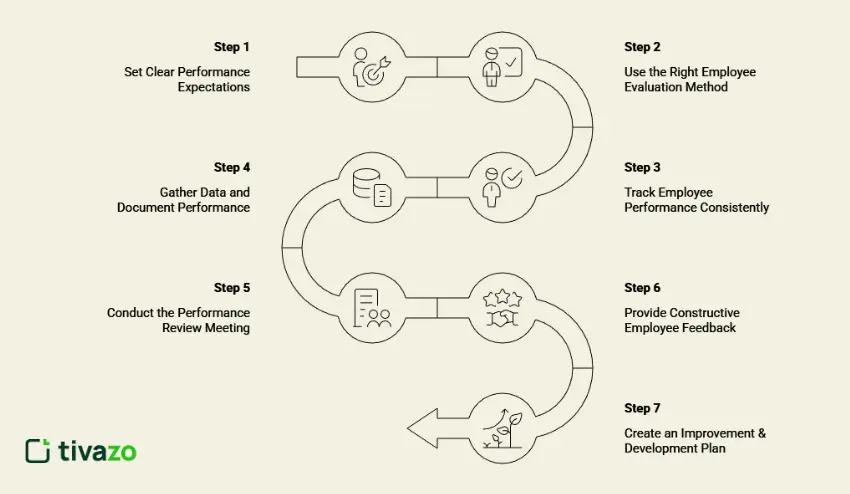
Stop winging it. Follow this process, and you’ll actually get results.
Step 1: Set Clear Performance Expectations
You can’t blame someone for missing a target they never knew about.
Write down what you expect. Be specific. “Work hard” means nothing. “Close 10 sales per month” gives them something concrete.
Make sure their goals help the company. Personal achievement is great, but it needs to push the business forward, too.
Use numbers whenever you can. Vague goals create vague results.
Step 2: Use the Right Performance Appraisal Method
Different situations call for different approaches.
- Self-Assessment: Have them rate themselves first. You’ll be surprised how honest most people are about their own weaknesses. To help employees write effective self-assessments, provide them with self evaluation for performance review examples they can reference.
- Manager Appraisal: You review their work based on what you’ve seen. This is the standard approach most companies use.
- Peer Review: Ask their coworkers for input. You’ll learn things that never make it to your desk.
- 360-Degree Feedback: Gather opinions from everyone – managers, peers, even customers sometimes. It takes more time but gives you the full picture.
A Performance Management System (PMS) helps organize all this feedback in one place.
Step 3: Track Employee Performance Consistently
Don’t wait until review day to start paying attention. Keep notes all year long. When someone does something great, write it down. When they mess up, document that too.
Performance-tracking software like Tivazo makes this easy. You can log things in seconds instead of digging through old emails later. Digital Performance Tracking beats trying to remember what happened six months ago. Your memory isn’t as good as you think.
Regular notes mean real conversations during performance reviews instead of awkward silences.
Step 4: Gather Data and Document Performance
You need facts, not feelings.
Quantitative Data: Count things. Sales numbers, finished projects, customer complaints, and hours worked. Numbers don’t lie.
Qualitative Data: Some things can’t be measured but still matter. How do they handle stress? Do they help others? Are they pleasant to work with?
Put everything in an Employee Monitoring System or even a simple spreadsheet. Just make sure it’s written down somewhere.
Good records protect you if someone challenges their review later.
Step 5: Conduct the Performance Review Meeting
This is where most managers screw up. They rush through it or make it so awkward that nobody benefits.
Block off real time. At least 30 minutes, maybe an hour. Find a private room where you won’t get interrupted.
Start positive. Tell them what they’re doing right. This isn’t sucking up – it’s setting the right tone. Then hit the problems. Don’t dance around issues. Be direct but not mean.
Let them respond. Good employee feedback isn’t a lecture. It’s a conversation. Ask what they need from you. Sometimes people are struggling because you haven’t given them the right tools or support.
Step 6: Provide Constructive Employee Feedback
Say it wrong and people shut down. Say it right, and they actually improve.
Give Positive Reinforcement: Point to specific wins. “You handled that angry customer really well last Tuesday,” beats “you’re good with people.”
Explain Areas for Improvement: Don’t just say they need to get better. Explain exactly what needs to change and how to change it.
Link Feedback to Employee Motivation: Give effective feedback to show your appreciation. “Master this skill and you’re next in line for supervisor” gives them a reason to care.
Cut the corporate speak. Talk like a normal human. “You’re turning in reports late too often” works better than “we need to see improvement in your deadline management.”
Step 7: Create an Improvement & Development Plan
Talking is worthless without follow-through. You should list the specific skills they need to work on and be concrete about how they’ll learn these skills and when.
Point them toward training resources like online courses, workshops, and mentoring from senior staff. Set goals for the next review period. Not pie-in-the-sky dreams. Real targets they can actually hit.
Write everything down, share a copy with the employee, keep one for your records, and check in monthly to track progress and improvements. Don’t let them drift for six months, then act surprised when nothing changed.
Common Challenges in Performance Appraisal
You’ll run into problems. Here’s how to handle them.
Bias and Subjectivity
You like some people more than others. That’s normal, but it can’t affect their ratings. Stick to measurable facts. Use Performance Appraisal Tools that force you to be objective.
Poor Documentation
Most managers don’t take notes during the year. Then they can’t remember anything specific when review time comes.
Use Performance Tracking Software. Spend five minutes a week logging observations. Future you will be grateful.
Lack of Regular Feedback
Waiting 12 months to mention problems is insane. Issues get worse when you ignore them. Give employee feedback when things happen, not months later. Quick corrections prevent disasters.
Resistance from Employees
Some people hate being evaluated. They argue, make excuses, or shut down completely. Frame it as helping them succeed, not punishing them. Most resistance comes from fear or past bad experiences.
How Performance Appraisal Impacts Employee Motivation
Get this right and watch your team’s energy change.
- Recognition Boosts Morale: People work harder when they feel appreciated. A simple “you did great on that project” can fuel someone for weeks.
- Career Development Opportunities: Show them the path upward. When workers see how to advance, they have something to work toward.
- Builds Trust: Honest, regular feedback proves you’re paying attention. People trust managers who tell the truth, even if it is uncomfortable.
- Increases Engagement: Employees who know their efforts matter actually care about outcomes. They solve problems instead of just doing the minimum.
Good employee performance reviews create a culture where people want to excel.
Conclusion
Stop treating performance appraisal like a checkbox exercise. It’s one of the most powerful tools you have as a manager. Set clear expectations from day one. Track performance throughout the year using performance tracking software or a performance management system.
Have real conversations during reviews. Give honest employee feedback that helps people grow. Then follow through with development plans that actually happen.
Done right, regular evaluations boost employee motivation and improve your entire operation. Your team gets better. Your business grows. Everybody wins.