✨ TL;DR:
- Generation X (1965–1980): Independent, experienced, and values stability and work-life balance.
- Millennials / Gen Y (1981–1996): Collaborative, purpose-driven, and focused on growth and feedback.
- Generation Z (1997–2012): Digital natives who prioritize flexibility, technology, and well-being.
- The biggest challenges in a multigenerational workforce include communication gaps, different work styles, and varying tech adoption.
- To manage these differences, businesses should focus on flexible work policies, personalized communication, and collaboration.
- Effective HR strategies include employee engagement, continuous learning, an inclusive culture, and mentorship.
- As Gen Z reshapes the workplace, hybrid work, digital tools, and employee well-being will become more important.
- Tools like Tivazo help streamline workforce management, boost productivity, and support all generations.
Generational Overview: Gen X, Millennials (Gen Y), and Gen Z in the Workplace
Understanding the characteristics of Gen X, Gen Y, and Gen Z in the workplace is essential for managing a multigenerational workforce effectively. Each generation brings unique strengths, communication styles, and workplace expectations that influence team dynamics and productivity.
1. Generation X in the Workplace (1965–1980)
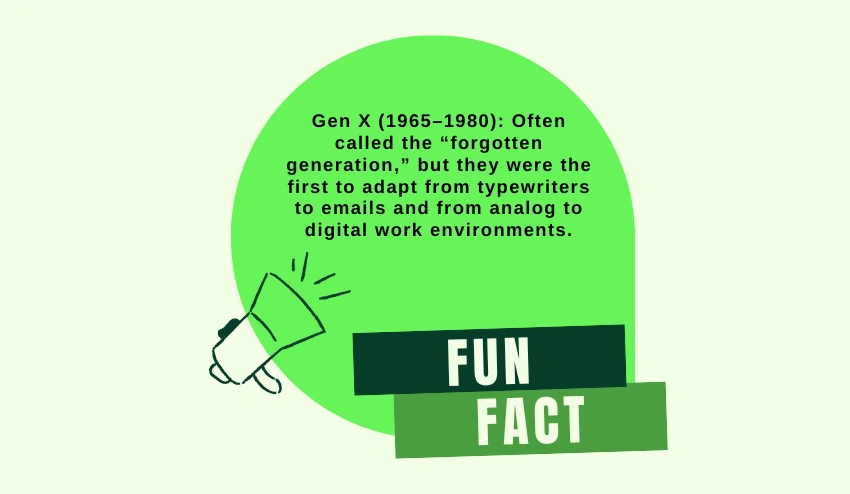
Generation X employees are known for their independence, reliability, and strong work ethic. Having grown up before the digital boom, they are often referred to as digital immigrants, but many have successfully adapted to modern workplace technology.
Key Traits of Gen X at Work:
- Highly self-reliant and autonomous
- Value work-life balance and job stability
- Prefer direct and clear communication
- Strong problem-solving and leadership skills
Work Style and Preferences:
Gen X thrives in environments that offer flexible work arrangements and trust-based management. They prefer minimal micromanagement and perform best when given ownership of tasks.
Strengths in a Multigenerational Workforce:
- Experienced decision-makers
- Strong leadership and mentoring capabilities
- Ability to bridge traditional and modern work practices
👉You May Also Like: Managing Gen Z in the Workplace:5 proven strategies
2. Millennials (Gen Y) in the Workplace (1981–1996)
Millennials, also known as Generation Y, are a highly collaborative and tech-savvy group that values purpose and continuous growth. They played a major role in shaping today’s digital workplace culture.
Key Traits of Millennials at Work:
- Collaborative and team-oriented
- Seek meaningful and purpose-driven work
- Value regular feedback and recognition
- Highly adaptable to new technologies
Work Style and Preferences:
Millennials thrive in collaborative workplace environments that encourage innovation, open communication, and career development. They prefer organizations that invest in learning and development programs.
Strengths in a Multigenerational Workforce:
- Strong communication and teamwork skills
- High engagement with digital tools and platforms
- Focus on innovation and continuous improvement
3. Generation Z in the Workplace (1997–2012)
Generation Z employees are true digital natives, having grown up with smartphones, social media, and instant access to information. They are reshaping the future of work with their expectations for flexibility and inclusivity.
Key Traits of Gen Z at Work:
- Highly tech-savvy and digital-first
- Value flexibility and remote work options
- Prioritize mental health and well-being
- Strong focus on diversity and inclusion
Work Style and Preferences:
Gen Z prefers flexible work environments, including remote and hybrid setups. They are comfortable using workplace technology tools and expect seamless digital experiences.
Strengths in a Multigenerational Workforce:
- Quick learners with strong digital skills
- Innovative and entrepreneurial mindset
- Bring fresh perspectives to problem-solving
Challenges of Managing a Multigenerational Workforce
There are various challenges associated with managing a multigenerational workforce. Having Gen Y, Millennials, and Gen Z employees collaborate simultaneously, companies have to find ways to deal with the generational differences at work, communication preferences, and emerging expectations in order to remain productive and engaged.
1. Communication Gaps Across Generations
The generations are different and have different ways of communicating in the workplace. Gen X tends to prefer direct, in-person, or formal communication, whereas the Millennials and Gen Z generations tend to use tools that are faster, more digital, such as chat applications, emails, and collaboration tools. Such differences may even cause misinterpretation or slow reaction in teamwork.
Otherwise, such communication differences between generations at work may cause decreased efficiency and misunderstandings within cross-functional teams. Companies must implement adaptable communication approaches to the workplace that are neither traditional nor digital.
2. Differences in Work Styles and Expectations
Every generation has its own expectations regarding the way of doing work. Gen X is more likely to be independent, structured, and stable, whereas Millennials are oriented towards collaboration, feedback, and purposeful work. Gen Z, in turn, appreciates flexibility, independence, and purposeful experiences in the workplace.
Such generational work preferences may cause tension within a team when roles, responsibilities, and expectations are ambiguous. To create a balance between teams, leaders need to put together workflows that are supportive of structured and flexible methods.
3. Technology Adoption and Digital Skill Gaps
Technology has become a significant part of the modern workplace, and not every generation is able to cope with it equally fast. Gen Z is a digital native, and they will easily embrace new tools and platforms; Gen X might need time and training to embrace new workplace technology tools.
This disconnect may hinder digital change within organizations and introduce inefficiencies in teamwork if teams are not harmonized around tools and systems. This gap may be overcome by providing appropriate training and easy-to-use platforms.
4. Feedback and Management Style Differences
The generation difference also influences the way people anticipate being managed and receive feedback. The millennial and the Gen Z generation generally like to be given feedback and recognition regularly, and with regular guidance and support, and the Gen X generation generally likes to work alone with minimal or no supervision.
This disparity may pose a problem with conventional leadership approaches in organizations, particularly in leading a heterogeneous workforce. Thus, managers must be flexible in providing feedback and the frequency of providing it, and must balance the employees’ need to be given autonomy with the need to have regular performance reviews.
5. Generational Bias and Workplace Stereotypes
Unconscious bias is one of the unseen barriers of multigenerational workforces. Ordinary stereotypes (Generation Z is inexperienced or Generation X does not want to change) may impose barriers on effective cooperation between employees of different generations as they undermine their working relationships and trust in each other.
Such prejudices can also undermine the efficacy of Diversity and Inclusion in the work environment, which influences the skills of the different generations to establish cohesion in teams. In order to overcome these issues, we must raise awareness and promote an inclusive culture by overcoming stereotypes between generations.
6. Employee Engagement and Motivation Differences
Motivation among employees varies by generational cohort. The different motivation factors for each generational cohort include: Generation X is motivated by job security and stability, Millennials are motivated by obtaining career growth and a desire to contribute to a meaningful purpose in how they earn a living, while members of Generation Z are motivated by flexibility, mental wellness, and a desire to generate meaningful contributions to society through their work.
If organizations do not implement employee engagement strategies that are tailored to employee generational cohorts, they will have difficulty retaining or keeping their employees productive. Therefore, understanding what motivates the members of each generation is crucial to building an engaged and motivated workforce.
7. Remote Work vs In-Office Preferences
The preferred work environment is also diverse within different generational cohorts. Members of Generations Z and Y are generally happier with a remote or hybrid format of working and prefer to work outside of the office, while members of Generation X prefer to work in an established and structured in-office environment.
Having strategies in place to accommodate these differences between generational cohorts and various individuals is important for effectively maximizing productivity and ensuring equity in flexible working environments. Thus, organizations will need to have hybrid solutions that will accommodate the diverse needs of all employees.
How to Manage Gen X, Gen Y, and Gen Z in the Workplace
Managing a multigenerational workforce requires flexible strategies that address different expectations, communication styles, and work preferences of Gen X, Millennials, and Gen Z. A balanced approach helps improve collaboration, engagement, and productivity across all generations.
1. Offer Flexible Work Options
Provide hybrid and remote work arrangements to meet different preferences. Gen X may prefer structured office work, while Millennials and Gen Z value flexibility and work-life balance.
2. Adapt Communication Styles
Use a mix of email, meetings, and digital tools to suit different generations. Gen X prefers direct communication, while younger employees prefer faster, digital-first interactions.
3. Encourage Cross-Generational Collaboration
Promote teamwork between generations to combine experience, creativity, and digital skills, improving team performance and innovation.
4. Provide Continuous Learning Opportunities
Offer personalized training and upskilling programs to match different learning styles and keep employees engaged in a digital workplace environment.
5. Use Adaptive Leadership and Feedback
Apply flexible leadership styles with regular feedback for Millennials and Gen Z, while giving Gen X more autonomy to work independently.
Effective management of Gen X, Gen Y, and Gen Z depends on flexibility, clear communication, and inclusive HR practices that support all generations equally.
Best HR Strategies for a Multigenerational Workforce
- Implement employee engagement strategies tailored to Gen X, Millennials, and Gen Z preferences.
- Build a strong, inclusive workplace culture that promotes diversity and reduces generational bias.
- Provide continuous learning and development programs for upskilling across all generations.
- Use mentorship and reverse mentoring to encourage cross-generational knowledge sharing.
- Adopt flexible performance management systems that balance autonomy and feedback.
- Leverage modern HR technology tools to improve communication and collaboration.
- Support hybrid and remote work models to meet different generational work preferences.
- Use multi-channel communication strategies for better workplace communication efficiency.
- Focus on employee well-being and mental health to improve retention and satisfaction.
- Train leaders in adaptive leadership styles for managing generational differences effectively.
Future Trends – Gen Z and the Changing Workplace
1. Rise of Gen Z in the Workforce
Gen Z is rapidly becoming a major part of the multigenerational workforce, bringing digital-first thinking and reshaping workplace expectations by generation.
2. Growth of Hybrid and Remote Work Culture
The future workplace will continue shifting toward hybrid work models and remote work culture, which aligns strongly with Gen Z’s demand for flexibility and work-life balance.

3. Increased Focus on Employee Well-Being
Employee well-being and mental health in the workplace will become a top priority, as Gen Z emphasizes balance, reduced burnout, and supportive work environments.
4. Digital Transformation of Workplaces
Companies will accelerate digital transformation in the workplace by adopting advanced HR and productivity monitoring tools to match the expectations of digital-native employees.
5. Shift Toward Skills-Based Hiring
Organizations will focus more on skills-based hiring and continuous learning, rather than traditional degree-based recruitment, to attract adaptable Gen Z talent.
6. Stronger Demand for Purpose-Driven Work
Gen Z employees prefer purpose-driven work and meaningful careers, pushing companies to align business goals with social impact and values.
7. Evolution of Leadership Styles
Future leaders will adopt more adaptive leadership styles, combining flexibility, empathy, and digital understanding to manage diverse generational teams effectively.
How Tivazo Helps Manage a Multigenerational Workforce
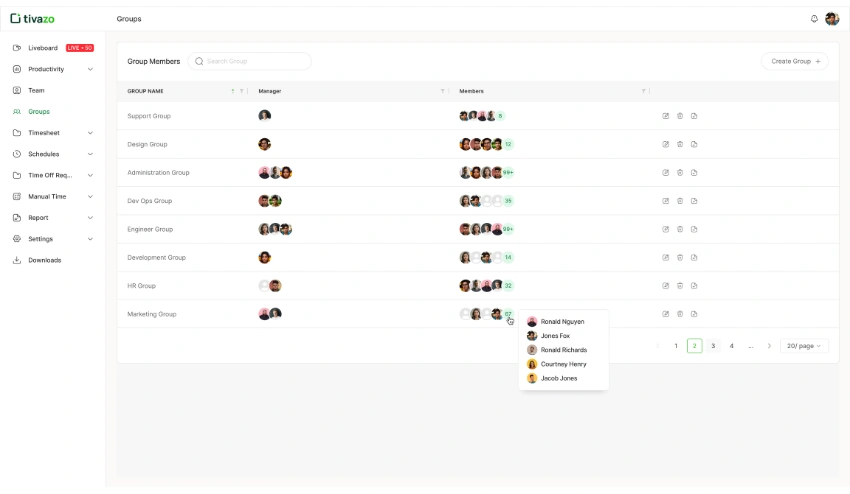
Tivazo simplifies managing a multigenerational workforce by bringing Gen X, Millennials (Gen Y), and Gen Z onto one unified platform with better visibility, communication, and productivity tracking.
It helps HR teams bridge generational gaps through real-time collaboration tools, task management, and performance tracking, ensuring clear communication across different work styles. Gen X benefits from structured workflows, Millennials get better feedback and engagement, and Gen Z enjoys digital-first, flexible access to work tools.
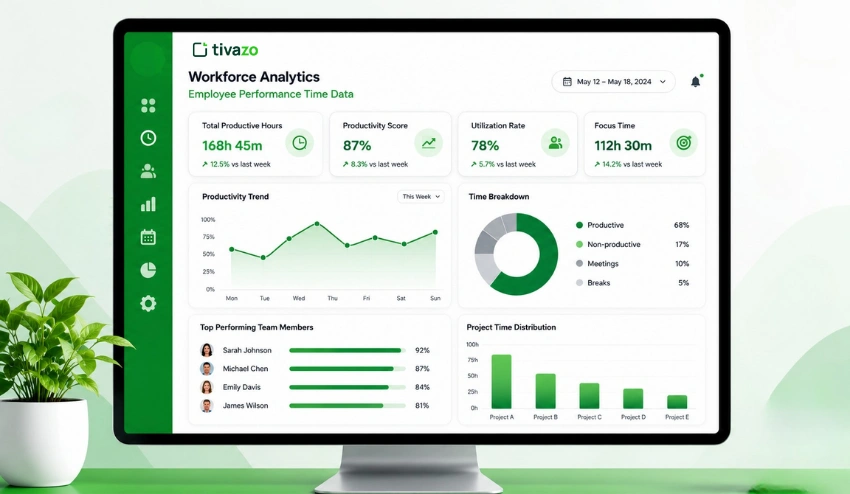
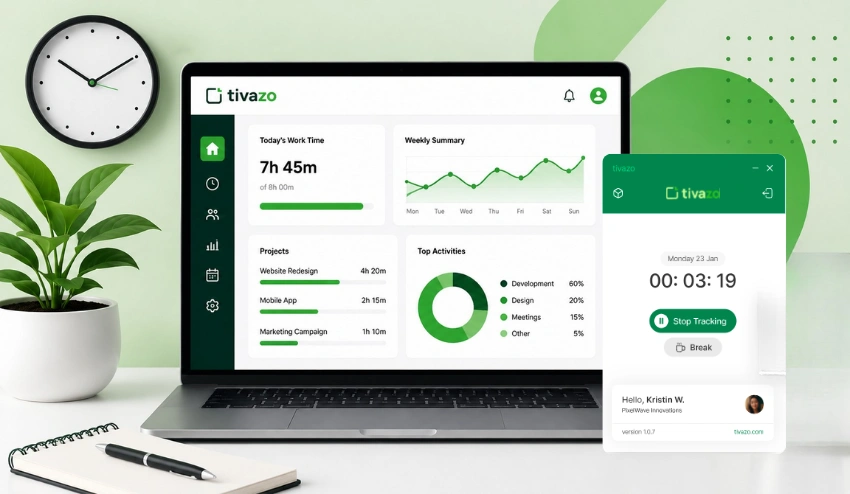
With features like employee productivity monitoring, attendance tracking, shift scheduling, and performance insights, Tivazo supports data-driven HR decisions and improves workforce efficiency. It also enhances employee engagement and transparency, making it easier to manage hybrid and remote teams.
Overall, Tivazo helps organizations create a more connected, efficient, and balanced workplace where all generations can perform at their best.
Conclusion
A successful multigenerational workforce requires balancing the strengths of Gen X, Millennials (Gen Y), and Gen Z while respecting their different work styles and expectations.
Organizations should focus on flexible work, clear communication, employee engagement, and continuous learning to bridge generational gaps. Embracing hybrid work, digital transformation, and employee well-being will shape the future workplace.
With the right HR strategies and tools like Tivazo, companies can improve collaboration, productivity, and overall workforce harmony.