Most teams pick a monitoring tool based on one thing: time tracking. They sign up, skip the setup guide, and deal with the gaps later. And honestly, that’s where most of the frustration starts.
Six months in, payroll figures don’t match, reports feel thin, and nobody can tie staff hours to actual client results. A bad tool choice doesn’t just cause headaches. It costs real money.
Know What Your Team Actually Needs to Track Before Choosing an Employee Monitoring Tool
Agencies don’t all run the same way, so it makes sense that no two teams need the same monitoring features. A 20-person team juggling retainer clients is working in a completely different reality than a small in-house group logging hours for a single department. Figuring out where your actual gaps are before you start comparing tools will save you a lot of headaches later on.
Start by asking yourself some honest questions. Are you tracking for client billing, internal accountability, or both? Are you managing hourly staff, salaried employees, or a mix of the two? How detailed does your reporting really need to be on a day-to-day basis? And if your team already uses agency helpdesk software to handle client requests, it’s worth thinking about whether a monitoring tool can plug into that or at least work alongside it without creating friction.
Taking the time to answer these questions before you go shopping means you’re less likely to end up paying for a bunch of features you never touch. More importantly, you’re less likely to miss the ones you actually needed in the first place. Most people skip this step entirely, and that’s usually where the frustration comes from later.
Privacy, Compliance, and Team Trust
Monitoring employees without telling them is a legal risk in many U.S. states. Several states now require written notice before any tracking begins. The National Conference of State Legislatures tracks these rules by state, and they vary more than you’d expect.
Here’s the thing: the tool you choose should make role-based boundaries easy to set. A senior project manager doesn’t need the same level of monitoring as a new part-time contractor. Good platforms let you reflect on that difference.
Teams that understand what’s being tracked tend to push back far less. Some tools even let employees view their own data, and that transparency goes a long way. But you’d be surprised how few agencies actually set this up.
Payroll Integration and Time Accuracy
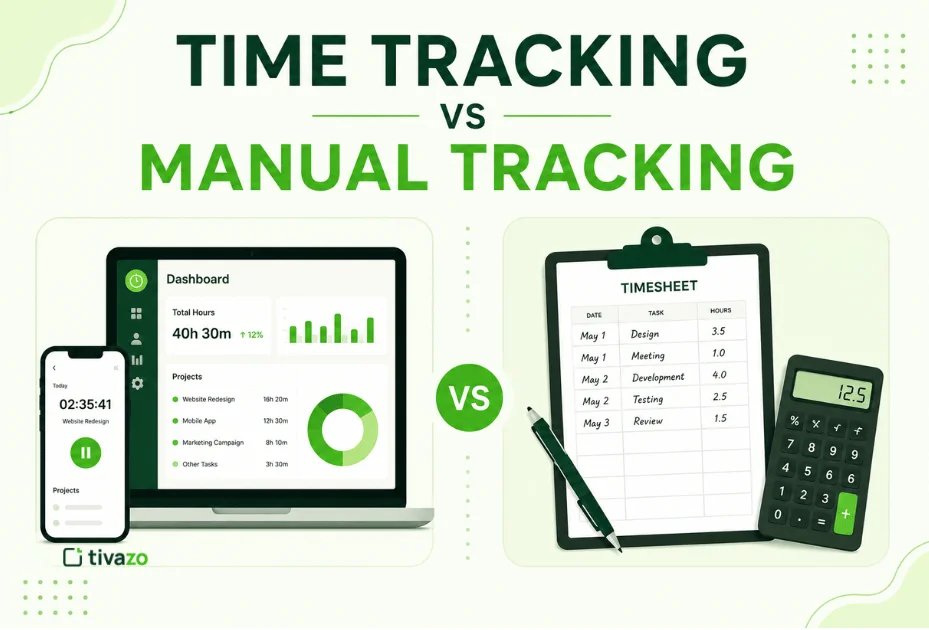
A monitoring tool that doesn’t connect to payroll just creates manual work for someone. Hours still get moved somewhere, and manual entry always leaves room for errors. Those errors show up in paychecks and client invoices.
What to Look for in Payroll Connectivity
When reviewing platforms, confirm these three things before you move forward:
- Does the tool export directly to your existing payroll or accounting software?
- Can it calculate different billing rates for different clients or projects?
- Does it flag gaps between logged hours and actual recorded activity?
Missing even one of these can quietly cause problems down the line.
Why Accurate Time Data Matters for Agencies
For teams billing clients by the hour, time log accuracy isn’t optional. You need records clean enough to attach directly to invoices. Detailed employee monitoring and reporting features show you exactly where hours go at the project level. And that makes client conversations a lot easier to handle.

Reports That Give You Something to Act On
Seeing that someone logged six hours on a project sounds like data. But without project-level context or benchmarks sitting next to it, that number doesn’t tell you much. Good reporting turns raw hours into something you can actually use.
The right platform organizes data by project, client, team member, and time period. You can compare performance week over week and spot bottlenecks before they blow up into missed deadlines. That’s where the real value shows up.
For agencies, this also reveals workload imbalances you wouldn’t otherwise notice. Gallup’s workplace research shows that unmanaged workload imbalance is one of the top drivers of disengagement. And it’s largely preventable when you can actually see how work is spread across your team.
Fit With Your Broader Operations Stack
No monitoring tool works in isolation. It sits inside the larger set of systems your team uses every day for clients, projects, and communication. So mapping out how a new tool connects to your existing stack is worth doing before you commit.
Client Communication and Internal Monitoring
For agency teams, client communication is often left out of this conversation entirely. Internal productivity data only tells half the story. You also need to see how staff hours connect to actual deliverables and whether your communication setup is helping or quietly creating delays. That’s where tools like helpdesk software for agencies come in, bridging the gap between client interactions and operational data.
Connecting the Dots Across Your Stack
When monitoring connects properly to billing, project management, and client communication, you get a full picture of how operations actually run. Here’s what that looks like day to day:
- Time logs feed directly into client invoices without extra review
- Project reports show staff capacity alongside the current deliverable status
- Client communication histories sit next to order and payment data in one place
Agencies that connect these systems spend less time in status meetings. And more time doing the actual work clients hired them for.
Getting It Right the First Time
Start with your most pressing gap, whether that’s payroll accuracy, project visibility, or client billing. Find the tool that solves it cleanly without creating new problems somewhere else. Don’t let a long feature list distract you from the basics.
The right choice isn’t always the most popular one. And it’s rarely the cheapest. But it is the one that fits how your team actually works.