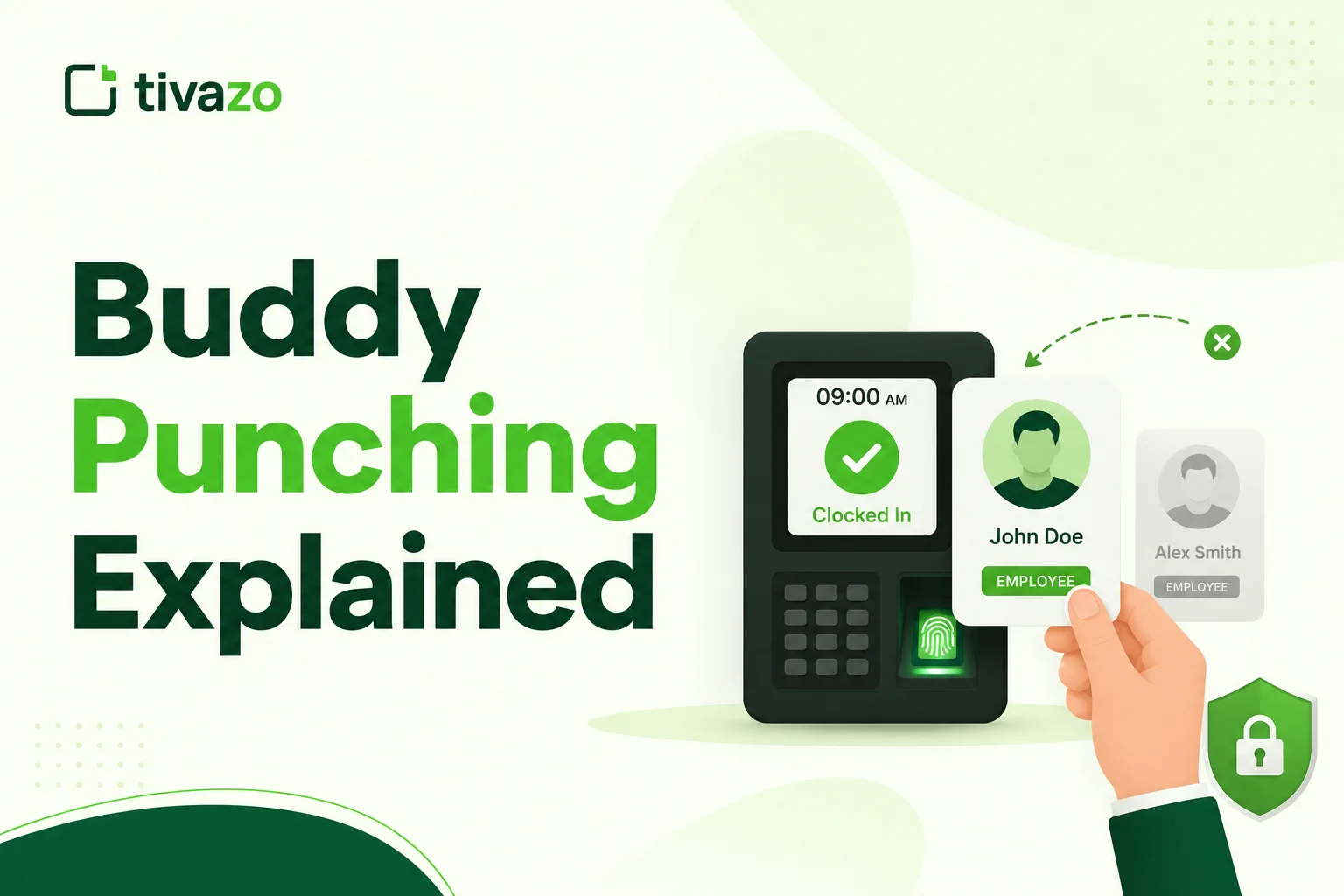
Buddy punching is one of several ways that employees steal time on the job, and it occurs when an employee clocks in or out for another employee. While it might be tempting to help out your coworker when they’re running late, buddy punching can cause payroll discrepancies, skewed attendance data, decreased productivity, and compliance issues for your company.
Whether your team is in the office, working remotely, or a little bit of both, there are effective ways (including new time tracking technology) to stop buddy punching in its tracks.
What is Buddy punching?
Buddy punching is a prevalent kind of employee time theft where one individual punches in or out for another employee who is typically not at work or comes in late. It provides employers with false attendance records, increases payroll expenses, diminishes workforce efficiency, and can create compliance hazards. Employers can eliminate buddy punching by installing employee time management software with functionalities such as biometrics, GPS, screenshots capture, mobile monitoring, and real-time attendance data reporting.
When a coworker records time on behalf of an absent employee. When coworker A clocks in/out for coworker B, who is not there. When coworkers clock in/out for each other.
This can seem harmless because of all of your coworkers. However, buddy punching is employee time theft at any workplace because the employer pays you for hours you have not actually worked.
This sort of attendance fraud happens in companies of all sizes, from small mom-and-pop shops to major corporations, and can be a huge drain on payroll.
For Example
- The employee is late by 45 minutes
- Their work buddy punches their timecard for them right on time.
- Payroll records a several-hour shift.
- But while the business is unaware of it, they are actually paying for an additional 45 minutes of elapsed time.
- A single slip-up may seem like no big deal. Combined with other employees’ buddy punching and business can lose thousands of dollars a year.
Key Takeaways
- Buddy punching is the most prevalent type of employee theft of time.
- Raising payroll costs without the productivity benefit.
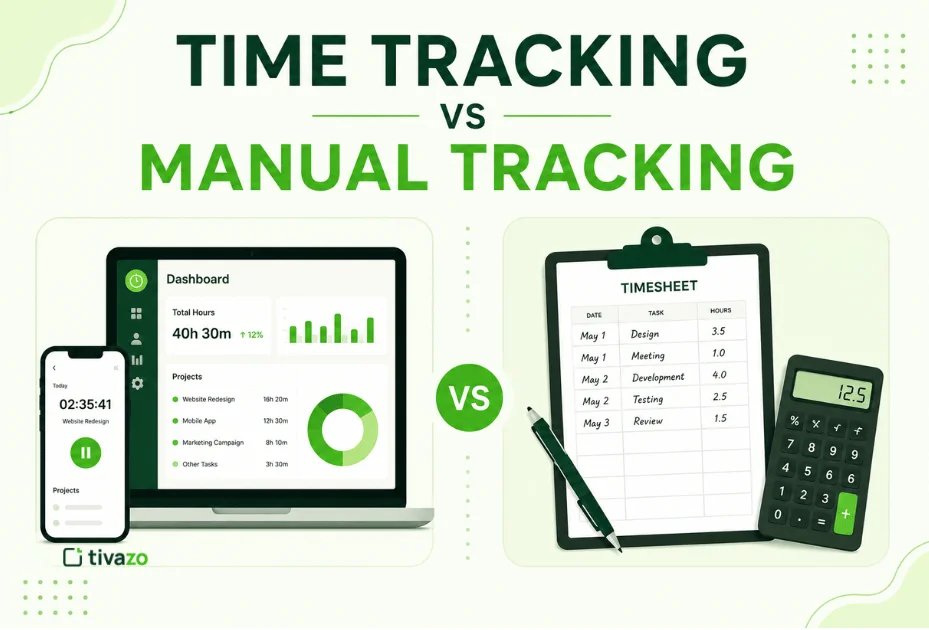
- Buddy punching is more convenient with conventional punch cards and manual timesheets.
- Time fraud is greatly minimized through GPS, screenshots, activity tracking, and digital sign-ins.
- Contemporary time management programs, such as Tivazo, enable business organizations to track time with greater accuracy and make employees more responsible for their work.
Quick Answers
What does “buddy punching” mean?
Buddy punching: occurs when one employee clocks in another employee’s time, someone who is not at work. This can happen when employee “A” clocks in, clocks out, or enters hours on behalf of employee “B”.
What does Buddy Punch do?
About the software Buddy Punch, this platform provides employee attendance systems and employee clock-in, allowing the management of attendance, work time, PTO, overtime, and payroll for a company. Features provide solutions to anti-fraud and monitor GPS and face recognition to limit buddy punching and time theft.
How do you stop buddy punching?
Eliminate buddy punching by the implementation of a digital time and attendance system, an activity monitor, a GPS clock on Jobclock and Jobclock Mobile, biometric punches, attendance reports, screenshots, hourly control, restrictions on use of the company mobile devices, and a published attendance policy for the work environment.
Is Buddy Punch legit?
Yes. Buddy Punch is a true employee time tracking program utilized by companies to monitor attendance, payroll, scheduling, and hours worked of employees. It is created to inhibit buddy punching instead of enabling it.
Why Buddy Punching Matters

Many organizations focus on preventing external fraud while overlooking internal payroll losses.
Buddy punching creates several hidden costs that extend beyond paying employees for hours they did not work.
| Impact | Business Risk |
| Increased payroll expenses | Paying for unworked hours |
| Reduced productivity | Less actual work completed |
| Attendance inaccuracies | Poor workforce planning |
| Payroll errors | Incorrect wage calculations |
| Lower employee morale | Honest employees feel treated unfairly |
| Compliance issues | Labor law and audit risks |
| Management blind spots | Difficult to identify attendance trends |
As businesses grow, these losses become increasingly difficult to detect using manual attendance systems.
How Does Buddy Punching Work?
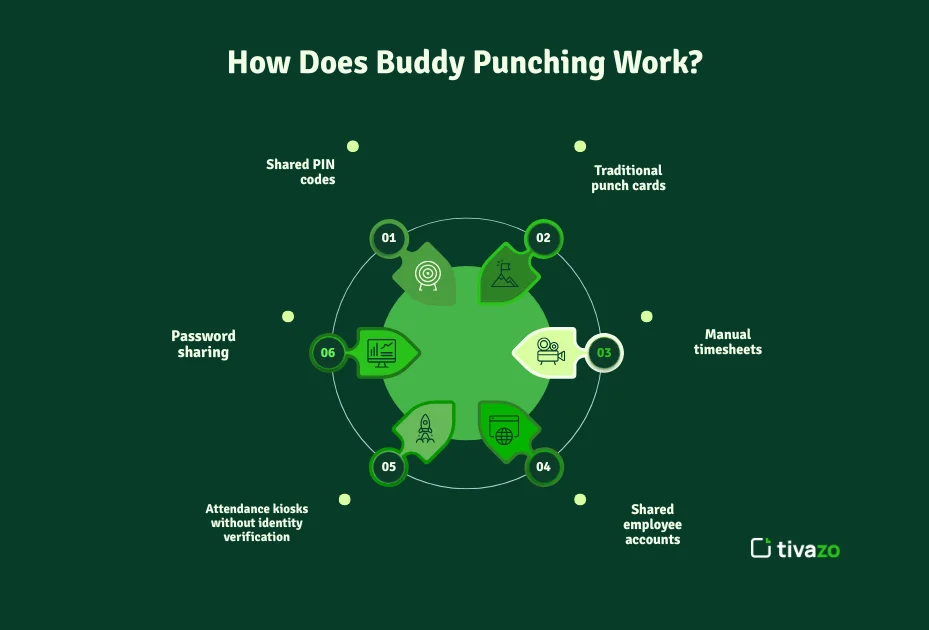
Buddy punching happens whenever one employee records attendance for another.
This can occur using:
- Traditional punch cards
- Shared PIN codes
- Manual timesheets
- Password sharing
- Shared employee accounts
- Attendance kiosks without identity verification
Example Scenario
Imagine a company starts work at 9:00 AM.
| Employee | Actual Arrival | Recorded Arrival |
| Sarah | 9:45 AM | 9:00 AM |
| John | 8:55 AM | Clocks in Sarah at 9:00 AM |
Payroll later shows Sarah worked a full shift even though she arrived 45 minutes late.
This is buddy punching.
Real-Life Examples of Buddy Punching
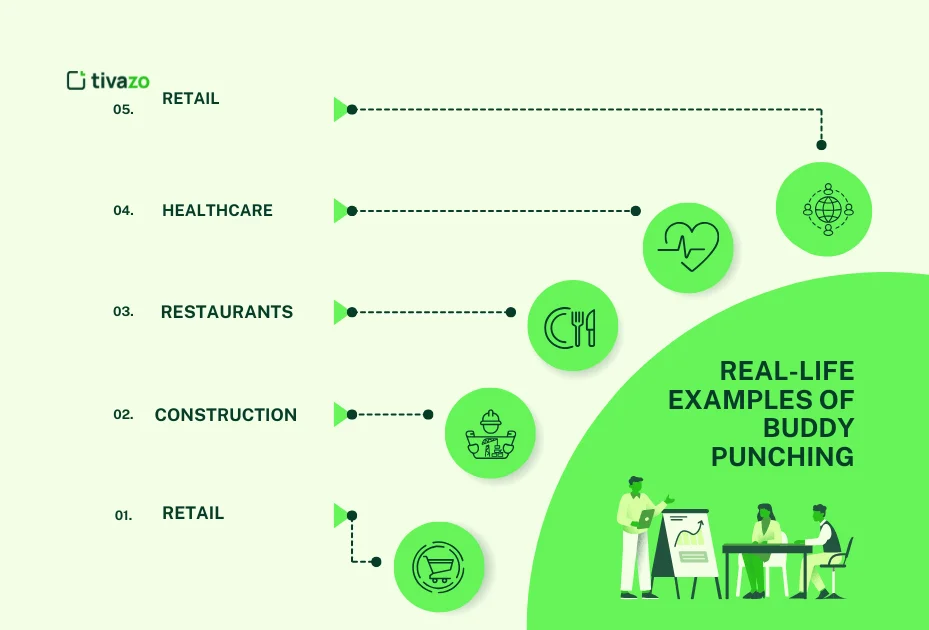
Buddy punching is a problem you’ll encounter across any industry.
Retail
A busy cashier calls a coworker to clock her in for an earlier shift.
Construction
Employees secretly check in with late workers on behalf of the rest of the crew.
Restaurants
The kitchen staff clocks in their co-workers before work.
Healthcare
Hospital staff keep track of when other people arrive who are late.
Remote Teams
Staff is passing the login information to let another person begin the timer for them.
Why Do Employees Buddy Punch?
Many employees do not realize at the start that buddy punching is considered a form of fraud.
On the other hand, they typically rationalize this as assisting a colleague.
Common reasons include:
- Running late
- Avoiding disciplinary action
- Preventing pay deductions
- Helping friends
- Weak attendance policies
- Manual clock-in systems
- No identity verification
- Lack of management oversight
All in all, if it were due to the employee crediting themselves for work, but in any event, going around a system for one’s own non-work-related benefit, buddy punching may as well be considered theft.
Common Causes of Buddy Punching
There are a few factors unique to the workplace that also facilitate buddy punching.
| Cause | Why It Happens |
| Hand-held punch card | Just one to share |
| PIN-based systems | Passwords can be shared |
| Paper attendance sheets | Anyone can sign |
| Bloodless attendance policies: | Employees are not afraid of the penalty |
| Poor supervision | Fraud goes unnoticed |
| No GPS check. | Employees can punch in from any location |
| No device restrictions | Multiple employees on 1 account |
| Absence of accountability | Recidivism is a regular feature here. |
Most attendance today attempts to eliminate these avenues by ensuring employees clock in on time.
Is Buddy Punching Illegal?
Most of the time, buddy punching is not a separate criminal offense, but it is a way of committing workplace fraud and employee time theft.
Generally accepted by employers that buddy punching constitutes a policy violation due to erroneous attendance and payroll records. The consequences of multiple incidents may be:
- Verbal or written warnings
- Suspension
- Loss of pay
- Termination of employment
- Legal proceedings for cases of willful payroll deception
Organizations need to be proactive in establishing specific attendance policy guidelines while investing in effective time tracking tools to monitor employee clock-ins.
Signs of Buddy Punching: How to Spot Employee Time Theft
Buddy punching often goes unnoticed because it blends into everyday attendance records. Without the right monitoring tools, employers may not realize employees are logging hours they never worked.
Here are some common warning signs that may indicate buddy punching in your workplace.
| Warning Sign | What It Could Mean |
| Employees always arrive together | One employee may be clocking in for another. |
| Frequent late arrivals with on-time clock-ins | Attendance records don’t match reality |
| Unusual overtime hours | Employees may be inflating paid hours |
| Multiple clock-ins from one device | Shared devices can indicate unauthorized clock-ins. |
| Identical work patterns | Repeated attendance habits may signal fraud |
| Payroll costs are increasing without higher productivity | Employees are being paid for time not worked. |
| Inconsistent attendance records | Manual errors or intentional manipulation. |
Tip: One warning sign doesn’t necessarily mean buddy punching is occurring. Look for repeated patterns over time before taking action.
How to Detect Buddy Punching
To catch buddy punching need to analyze not only the timesheets of the workers but also compare the workers’ work activity, productivity, and work hours.
Effective ways to detect buddy punching include:
- Frequent review of attendance reports.
- Align planned shift with actual hours worked.
- In the blog, you should report that you monitor employees when they clock in.
- Get to know your audit payroll records.
- Monitor doing the gifts.
- Mandate manager approval for attendance modifications.
- See if the overtime trends.
- Use electronic time tracking in place of paper timesheets.
With today’s workforce management software, these audits take minutes as it can track who arrived when and automatically generate time reports.
10 Proven Ways to Prevent Buddy Punching
The foundation of preventing buddy punching lies in enhancing accountability and minimizing the potential for absconding with paper-based systems.
1. Use Digital Time Tracking Software
Paper timesheets & punch cards are easily tampered with.
Digital time tracking programs can track the time an employee spends at their workstations and generate a report related to the attendance of the employee.
2. Set Clear Attendance Policies
Employees should understand:
- On those days when they’re required to clock in.
- When they have to punch out.
- Who has access to edit attendance records?
- Risks of attendance scam.
- Having a written attendance policy minimizes confusion and helps to deter irregular attendance.
3. Restrict Clock-Ins to Approved Devices
Note: Enforce only allowing employees to clock in from pre-selected computers.
This also minimizes the chance of your coworkers time-stamping for you.
4. Monitor Employee Activity
Attendance should be based on the time put in.
While activity monitoring makes it at least possible for employees to prove that they started working early after clocking in, rather than working late.
5. Require Manager Approval for Time Changes
No amendments to attendance should occur without permission.
Manipulating timesheets is easy and can go undetected. Though it is very difficult for owners to catch on, having managers check timesheets helps prevent fraud, especially if they are reviewing changed ones.
6. Review Attendance Reports Regularly
Weekly attendance reviews help identify:
- Repeated late arrivals
- Excessive overtime
- Frequent attendance edits
- Unusual work patterns
- Early identification stops shutdown payroll losses.
7. Encourage Workplace Accountability
Employees will be less inclined to engage in buddy punching if accountability is integrated into company culture.
Wildly honest reporting, like rewarding employees who are.
8. Conduct Random Attendance Audits
Periodic checks allow them to confirm if the attendance scheduled has taken the expected course in being reflected in the employees ‘ records
– Monitor even through periodic checks.
9. Automate Payroll
Automatic payroll calculations can help avoid employees being paid for hours they haven’t worked.
Automated payroll workflows are more accurate and minimize human error.
10. Invest in Modern Workforce Management Tools
The best long-term solution is implementing software that combines:
- Time tracking
- Attendance monitoring
- Timesheets
- Productivity reporting
- Employee activity tracking
- Payroll-ready reports
A centralized system not only reduces administrative overhead but also dissuades fraud.
Manual Attendance vs Digital Time Tracking
| Feature | Manual Attendance | Digital Time Tracking |
| Paper timesheets | ✔ | ❌ |
| Easy to manipulate | ✔ | ❌ |
| Real-time attendance | ❌ | ✔ |
| Automated reports | ❌ | ✔ |
| Payroll accuracy | Low | High |
| Attendance insights | Limited | Comprehensive |
| Time theft prevention | Weak | Strong |
| Productivity visibility | None | Available |
As businesses grow, digital attendance systems become significantly more reliable than manual methods.
How Tivazo Helps Prevent Buddy Punching
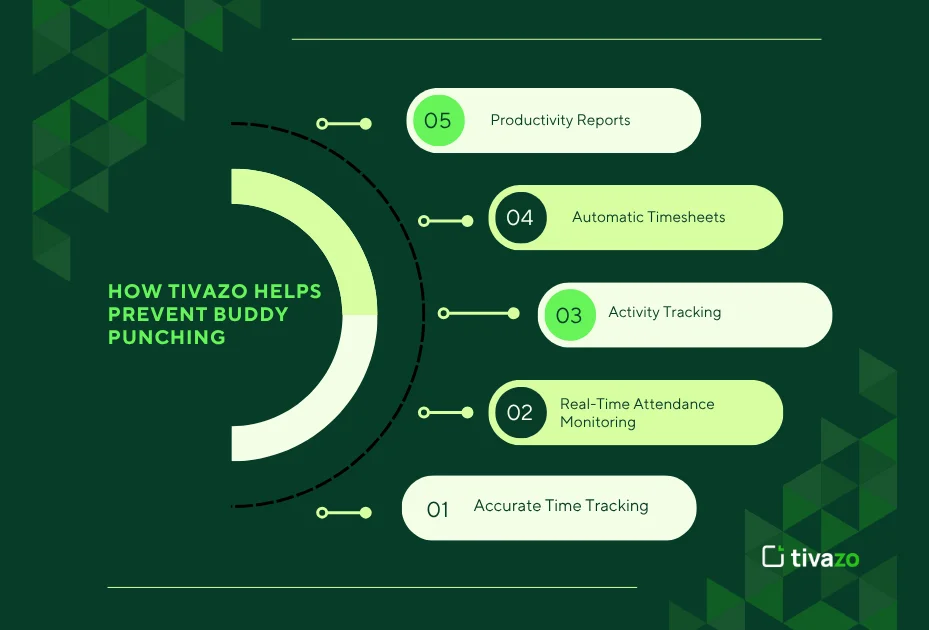
To prevent buddy punching, employers need to be aware of their employees’ presence and activities. This all-in-one tool from Tivazo offers to balance employee time tracking with productivity measurement so companies can cut down on payroll pilfering.
Here’s how Tivazo helps
1. Accurate Time Tracking
Employees can clock in & out electronically to generate dependable attendance records instead of paper timesheets.
2. Real-Time Attendance Monitoring
Managers have access to real-time employee attendance, so they can catch odd clock-in behaviors and irregular attendance easily.
3. Activity Tracking
Clocking in might not always be when you get to work.
Tivazo offers activity insights that enable managers to identify if employees are actually working during the hours recorded.
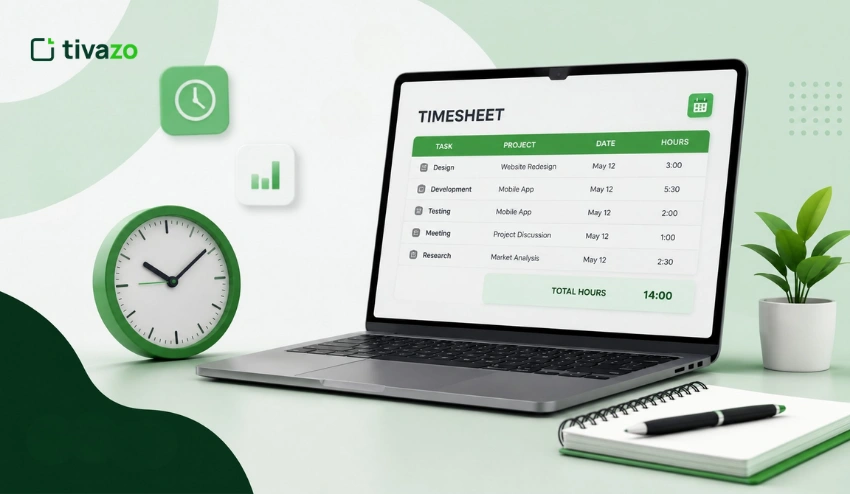
4. Automatic Timesheets
Tivazo can, from time to time, automatically schedule a timesheet based on the work you tracked.
This significantly lowers payroll errors and frees up your admin team’s time.
5. Productivity Reports
Workforce performance is not merely about attendance.
Tivazo offers productivity reports to help managers analyze work hours in relation to received output, thereby easing the way to notice and resolve attendance abnormalities.
6. Centralized Workforce Visibility
With the ability to forward simple reports to employees, team members can now enter their work hours directly in Tivazo rather than tracking attendance on Excel or paper.
Results in better decision-making and minimizes chances for attendance falsification.
No matter if your team is in-office, remote, or a mixture of the two, Tivazo will give you the insights you need to create a more efficient and transparent work environment.
Ready to eliminate buddy punching?
Why Businesses Choose Tivazo
Businesses use Tivazo because it helps them:
- Reduce employee time theft
- Improve attendance accuracy
- Simplify payroll preparation
- Increase workforce accountability
- Monitor employee productivity
- Generate accurate timesheets automatically
- Gain actionable workforce insights
- Save administrative time
Allow administrators to reduce the time spent on reviewing the attendance database. Tivazo efficiently organizes employee work data in one place to let business owners concentrate on business expansion.
Best Practices for Reducing Buddy Punching
Preventing buddy punching is really an issue of ensuring not to trust one’s employees. An example–you don’t hide how much you are making, or shy away from clear and well-known employee policies that are equal for all.
Follow these best practices:
Introduce technology to your room: Use digital attendance systems rather than paper ones.
- Review all attendance reports weekly.
- Educate employees about attendance policies.
- Just to be sure: document all attendance policies.
- Always look into odd attendance requests and be proactive.
- Restrict access to editing timesheets.
- Audits of payroll.
- Promote honesty and responsibility.
Businesses that provide effective policies along with dependable time-tracking software make it easier to prevent payroll mistakes, stay compliant, and keep good attendance data.
Conclusion
But buddy punching may seem like a small problem at first, it can cost companies thousands of dollars in the long run, cause erroneous payroll, decreased productivity, and diminished obligation of the employees. Whether it’s a few extra minutes, here and there, or hundreds of employees in on the scheme, the effects accumulate fast.
The silver lining is that buddy punching is preventable. With a digital time clock rather than a paper sign-in sheet or punch cards, enforce well-communicated attendance policies, and implement routine scheduled review of employee hours, employers can get office timekeeping under wraps.
Contemporary employee tracking systems simplify the duties of attendance validation, productivity tracking, and timesheet generation. Getting proper equipment will save your business from billing fraud and supply a healthy work environment where everybody is responsible for their own time.